Custom Touch Screen Solutions for Industrial HMI Applications
LMTEK supports project-based custom touch screen solutions for industrial products that require more than a standard touch panel.
When a standard touch screen no longer fits your enclosure, interface, cover glass or front-panel design, your engineering team may face additional redesign work, longer validation cycles and increased integration risk. LMTEK helps you review custom touch screen structures, cover glass options, bonding methods and TFT display matching to support smoother industrial HMI integration.
Share your touch size, cover glass requirement, interface, TFT display structure or enclosure drawing. LMTEK will help review a suitable custom touch screen path for your project.
When Standard Touch Screens Do Not Fit Your Project
Many industrial products start with a standard touch screen, but integration issues often appear during enclosure development, front-panel design or environmental validation. A custom touch screen project usually involves more than the touch sensor itself. Cover glass structure, bonding method, interface alignment and TFT display matching should also be reviewed together during product development. This often leads to additional redesign work, longer validation cycles or front-panel integration challenges if the touch structure is not reviewed early in the project.
Your Cover Glass Does Not Match the Enclosure
Standard touch panel outlines may not fit your enclosure structure, industrial HMI layout or front-panel design requirements.
Your Touch Structure Does Not Fit the Product Design
Some applications require thicker cover glass, edge processing or front-panel integration structures that standard touch screens cannot easily support.
Your Interface Is Not Compatible with the Embedded Platform
Touch interface alignment may require I²C or USB compatibility review depending on your controller board and embedded system architecture.
Your Touch Performance Is Not Stable in the Operating Environment
Industrial environments may require glove touch review, water rejection consideration or optical bonding evaluation depending on your application conditions.
Your Front Panel Requires Custom Branding or Black Mask
Industrial HMI products often require logo printing, black mask alignment and customized front-panel appearance structures.
Your Existing Touch Panel Is Difficult to Source
Industrial projects sometimes require alternative touch panel evaluation when an existing touch structure is no longer stable for supply or lifecycle support.
How LMTEK Helps Reduce Touch Integration Risk
A custom touch screen project involves electrical, mechanical and optical considerations. LMTEK helps your engineering team review compatibility and integration risks before tooling, sample validation or production preparation.
Review Your Existing Mechanical Structure
Your enclosure drawing, front-panel layout and mounting structure can be reviewed to identify possible touch integration risks early in development.
Align Touch, TFT Display and Cover Glass
Touch active area, LCD active area, cover glass outline and black mask structure can be reviewed together to improve front-panel consistency.
Evaluate Bonding and Front-Panel Structure
Bonding structure, sealing area and front-surface assembly can be reviewed depending on your application environment and HMI requirements.
Support Sample Validation Before Production
Sample evaluation helps verify touch behavior, interface compatibility and mechanical fit before customization or production planning.
Prepare for Stable Production and Change Communication
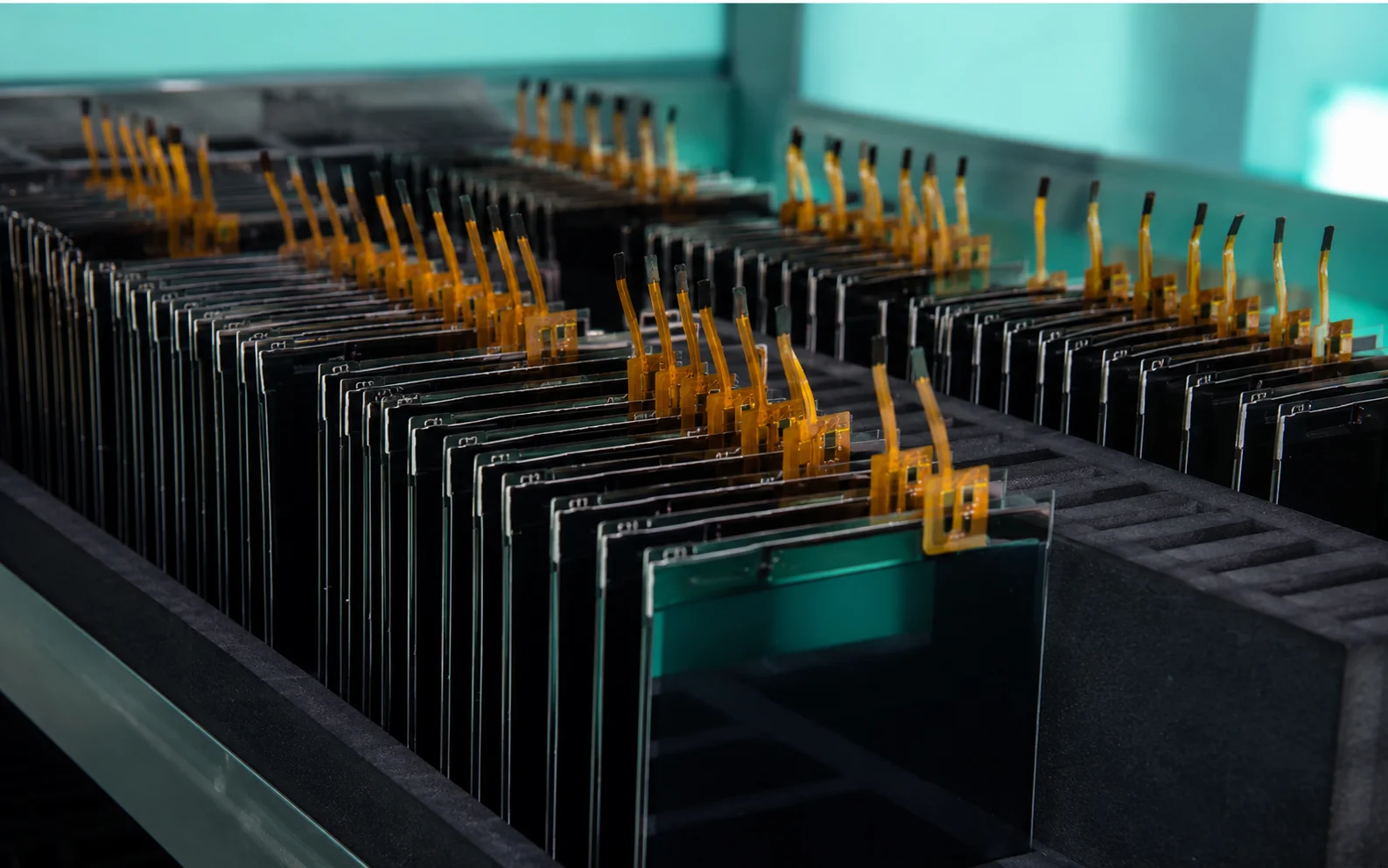
For industrial touch screen projects with long-lifecycle requirements, LMTEK supports production coordination and project communication depending on touch platform availability.
Our Custom Touch Screen Review Process
Share Requirements
Engineering Review
Sample Validation
Custom Proposal
Production Ready
Custom Touch Screen Capabilities from LMTEK
LMTEK supports project-based custom touch screen solutions to help simplify front-panel integration, reduce redesign work and improve compatibility between your touch structure and TFT display system.
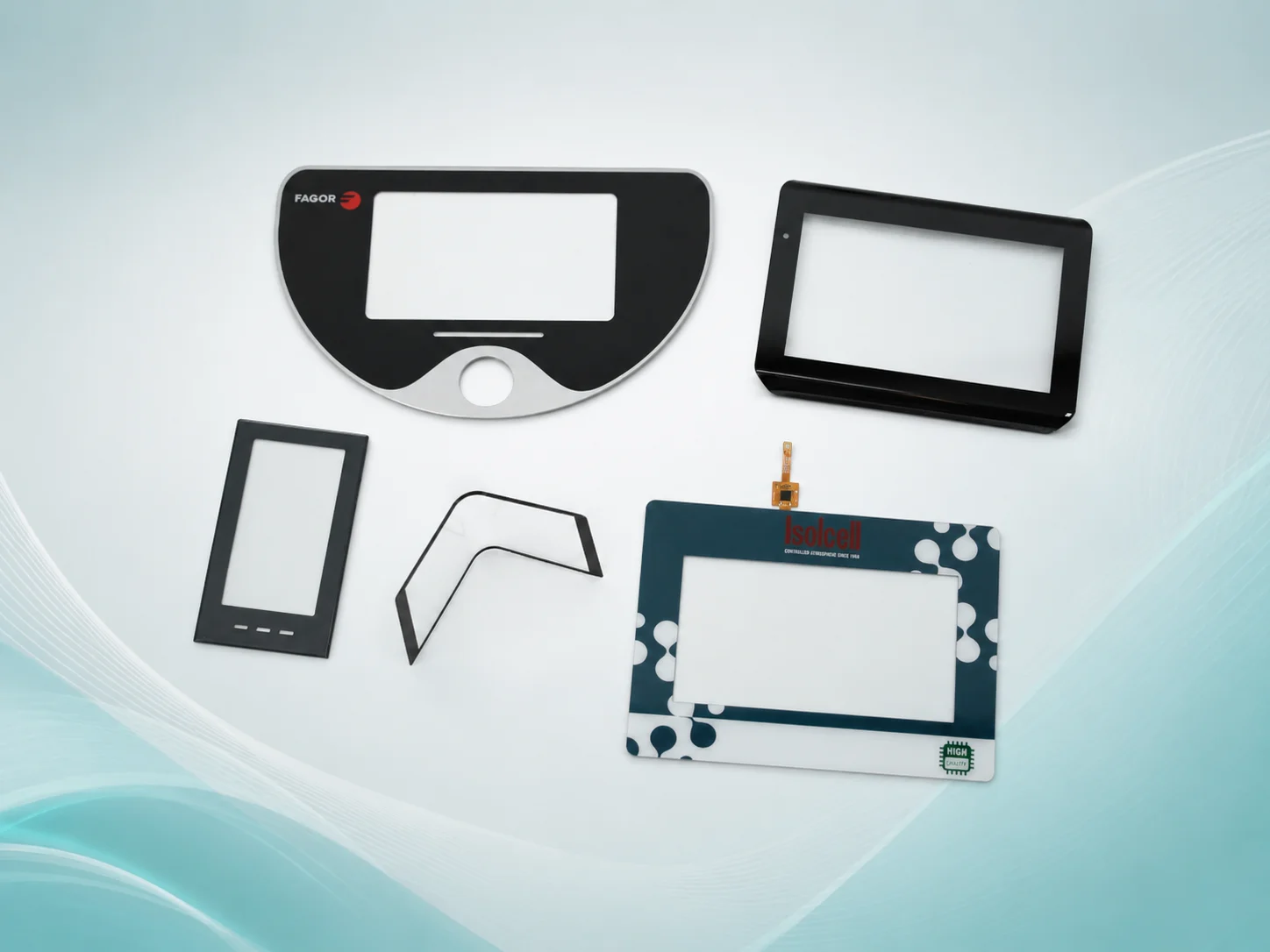
Cover Glass Shape and Outline Customization
Cover glass dimensions, outline structure and edge shape can be reviewed to improve enclosure fit and industrial HMI integration.
Silk Printing and Black Mask Design
Silk printing, logo printing and black mask layout can be customized depending on your front-panel appearance requirements.
AG / AR / AF and Anti-Microbial Surface Treatment
AG, AR, AF and anti-bacterial / anti-microbial surface treatment options can be reviewed depending on glare reduction, reflection control, fingerprint resistance, hygiene requirements and operating environment.
Optical Bonding and Air Bonding
Air bonding and optical bonding can be reviewed depending on readability, environmental conditions and serviceability considerations.
Capacitive and Resistive Touch Matching
Capacitive touch and resistive touch structures can be reviewed depending on operating method, environmental conditions and application requirements.
I²C and USB Interface Options
I²C and USB touch interface compatibility can be reviewed depending on your controller platform and touch structure.
FPC Direction and Connector Alignment
FPC routing direction and connector position can be adjusted to help reduce cable routing complexity and improve assembly flexibility.
TFT Display Matching and Front-Panel Integration
Touch panel alignment, cover glass structure and TFT display integration can be reviewed together to help reduce front-panel mismatch risks.
Custom Cover Glass and Front-Panel Design
For many industrial HMI products, the cover glass and front-panel structure are directly related to product appearance, usability, durability and enclosure integration. LMTEK supports project-based cover glass review for industrial touch screen applications, including material selection, thickness, surface treatment, printing and mechanical processing.
Cover Glass Material Options
Typical cover material options include soda-lime glass, chemically strengthened aluminosilicate glass, Corning® Gorilla® Glass, Asahi Dragontrail™ Glass, PC and PMMA. Material selection can be reviewed depending on durability, weight, appearance, cost and application environment requirements.
Cover Thickness from 0.5-5.0 mm
Cover thickness can be reviewed depending on touch performance, structural strength and front-panel integration requirements.
AG / AR / AF and Anti-Microbial Surface Treatment
AG, AR, AF and anti-bacterial / anti-microbial surface treatment options can be evaluated depending on glare reduction, reflection control, fingerprint resistance, hygiene requirements and operating environment.
2.5D Edge and Rounded Corner Design
2.5D edge processing and rounded corner structure can be customized depending on your industrial HMI appearance requirements.
Drilling and Mechanical Features
Drilling, slotting and mechanical feature processing can be reviewed for mounting structure and front-panel assembly integration.
Silk Printing, Black Mask and Ink Options
Silk printing, logo printing, black mask layout, UV-resistant printing and ceramic ink options can be evaluated depending on front-panel appearance, branding and long-term operating environment requirements.
Industrial HMI Front-Panel Appearance
Front-panel appearance, logo layout and black mask structure can be reviewed together to improve product consistency.
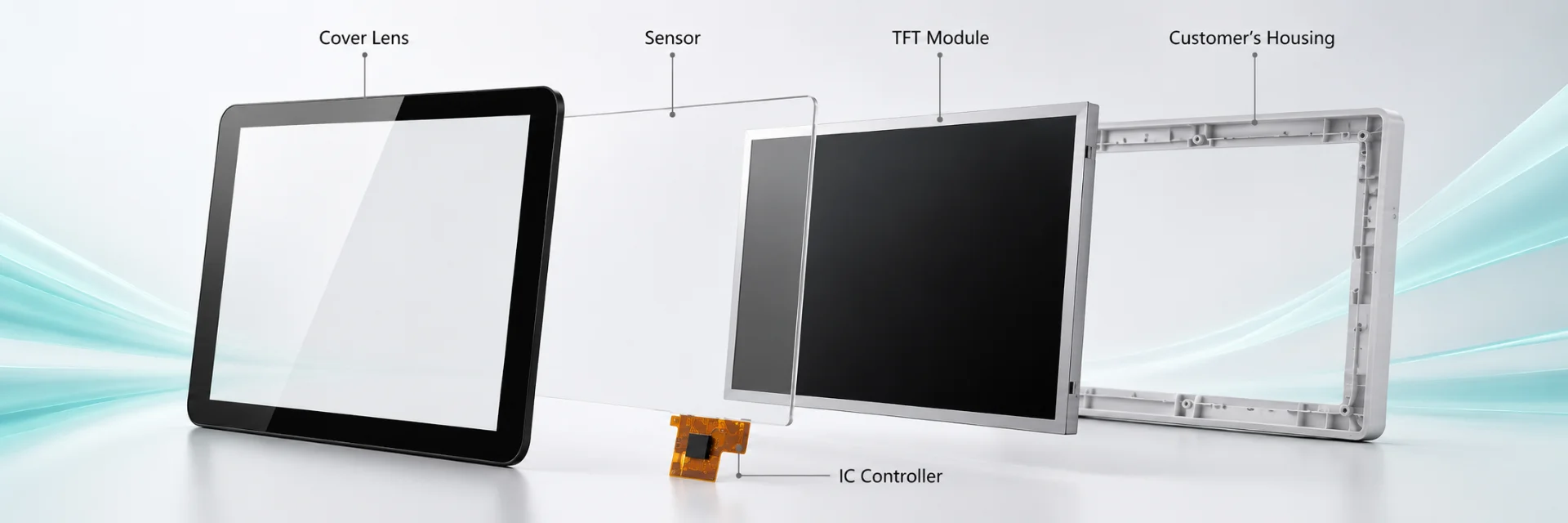
Touch Screen and TFT Display Integration
Touch integration should be reviewed together with the TFT display, cover glass and enclosure structure to help reduce alignment and assembly risks during your product development process.
Active Area Alignment
Touch active area and LCD active area alignment can be reviewed together to support proper viewing consistency and front-panel appearance.
Cover Glass and Black Mask Matching
Cover glass dimensions and black mask structure can be reviewed depending on your HMI layout and display integration requirements.
Air Bonding vs Optical Bonding
Bonding method selection can be evaluated depending on readability, environmental conditions and front-panel requirements.
FPC Routing and Assembly Fit
FPC routing direction and assembly structure can be reviewed together to improve installation flexibility and reduce mechanical conflicts.
HMI Front-Panel Integration
Front-panel structure, sealing area and display alignment can be reviewed together for industrial HMI applications.
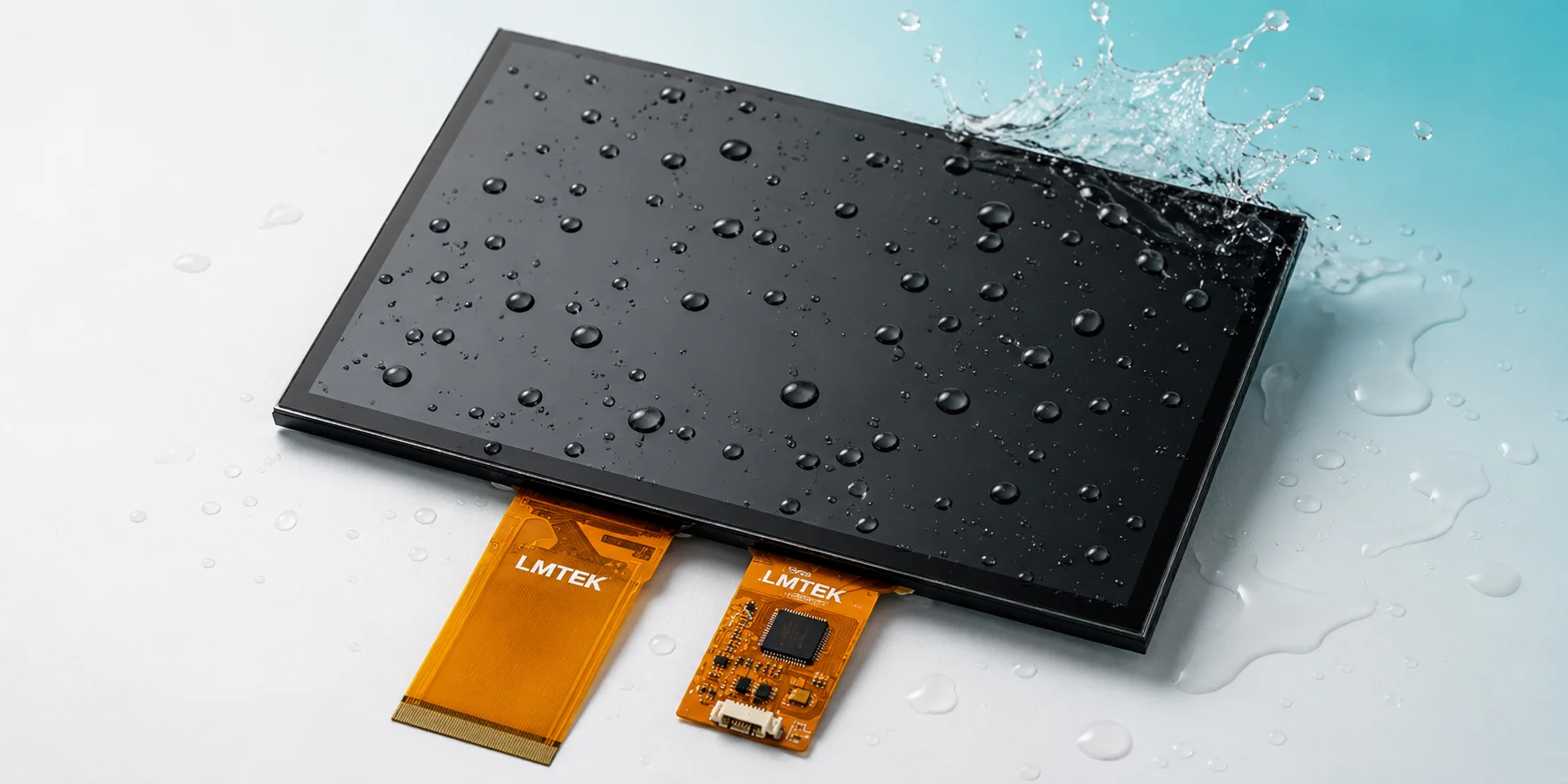
Need matched TFT display support?
Review your TFT display options alongside touch structure and integration requirements.
Custom Touch Screen Development Workflow
A structured review process helps reduce redesign work and improves alignment between touch structure, TFT display integration and front-panel requirements.
Requirement Review
Review your touch size, touch technology, cover glass structure, interface and operating environment.
Drawing and Structure Evaluation
Review enclosure drawings, touch outline, FPC direction and front-panel assembly constraints.
Technical Feasibility Review
Evaluate touch structure compatibility, interface alignment and possible customization approaches.
Sample Validation and Touch Tuning
Verify touch response, interface compatibility, optical structure and front-panel fit before production planning.
Customization and Integration Review
Review customization details, display integration and front-panel structure alignment before final validation.
Production Preparation
Coordinate project communication, documentation review and production preparation before mass production.
Frequently Asked Questions About Custom Touch Screens
What can be customized in a touch screen?
Custom touch screen projects may include cover glass dimensions, black mask layout, surface treatment, bonding method, interface alignment, FPC routing and touch structure review depending on project requirements.
Can LMTEK customize cover glass and black mask?
Yes. LMTEK supports custom cover glass dimensions, logo printing, black mask layout, drilling, edge processing and front-panel appearance review for industrial HMI applications.
Can LMTEK support optical bonding?
Air bonding and optical bonding options can be reviewed depending on readability, durability, environmental conditions and serviceability requirements.
Can LMTEK provide a custom touch screen with a matched TFT display?
Yes. LMTEK can review touch panel and TFT display matching together, including active area alignment, cover glass structure, bonding method and front-panel integration.
Can LMTEK support custom touch screens for existing TFT displays?
Yes. LMTEK can help review touch screen structures for selected projects involving existing TFT displays, display upgrades or replacement evaluation requirements.
What information should I provide for a custom touch screen project?
Providing touch size, interface requirement, cover glass structure, TFT display information, front-panel drawing and application environment details can help improve engineering review efficiency.
Start Your Custom Touch Screen Project
Discuss your touch structure, cover glass, bonding or front-panel integration requirements with LMTEK.
Share your project requirements, drawings or existing touch structure information. LMTEK will help review a suitable custom touch screen solution path for your industrial HMI application.
Drawings, TFT display specifications and front-panel information can help speed up your technical review process.