RGB Display Modules for Embedded Graphic Interfaces
RGB interface TFT LCD modules for embedded systems, industrial panels, compact HMIs and graphical UI applications.
RGB Display help embedded product teams build graphical interfaces when the host controller can output parallel RGB pixel data and timing signals.
LMTEK provides RGB interface TFT display options for industrial control panels, compact HMIs, appliance interfaces, instruments and embedded graphic systems. Your RGB Display project can be selected by size, resolution, RGB bit depth, PCLK, HSYNC / VSYNC, DE, FPC direction, touch requirement, brightness and mechanical fit.
Project Review Focus
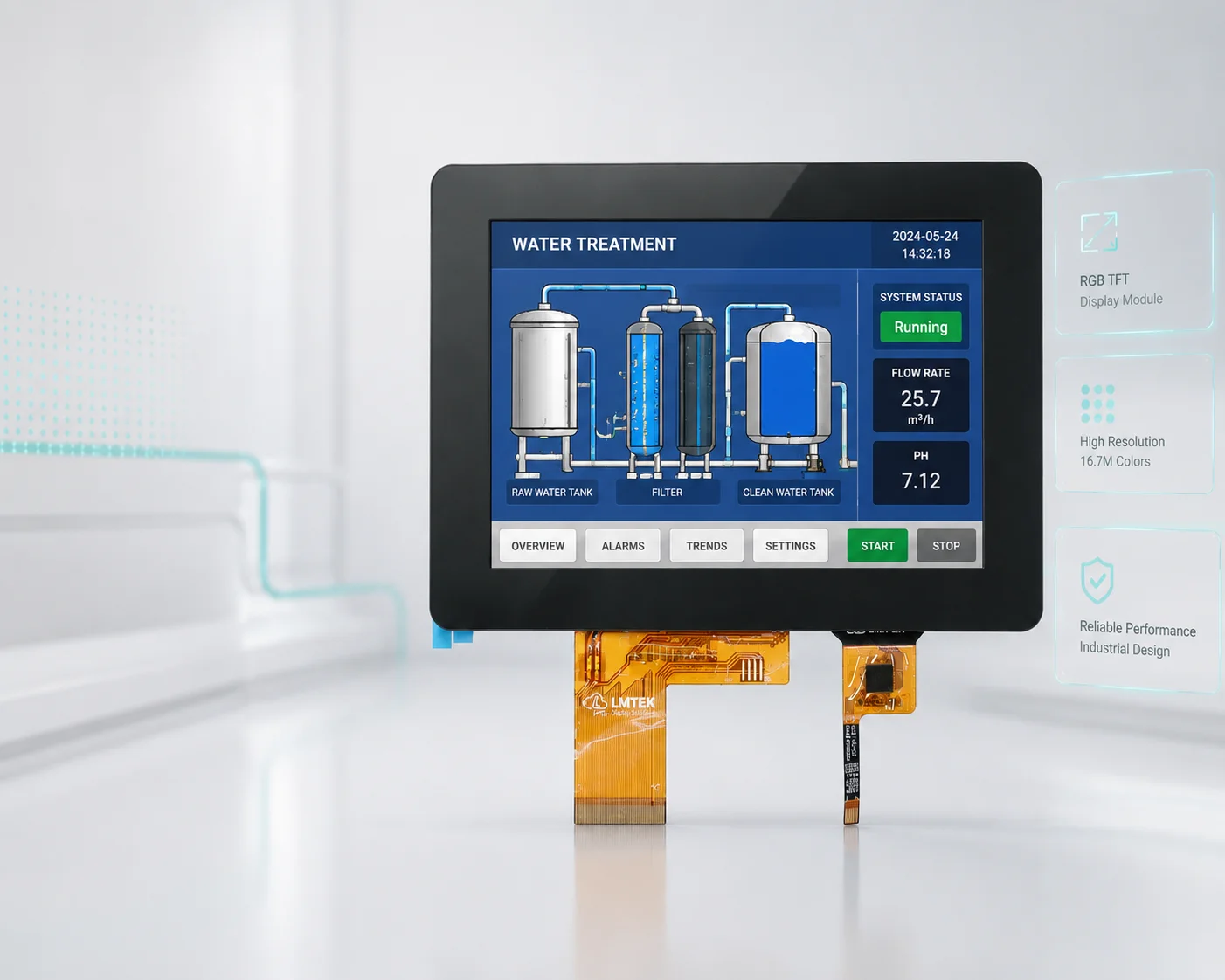
RGB Interface TFT LCD Modules for Embedded Systems
LMTEK supplies RGB Display modules for product teams developing embedded systems, industrial electronics and graphical control interfaces. An RGB Display is typically selected when your host controller, MPU or SoC supports parallel RGB output and your product requires direct pixel data transmission with stable display timing.
Typical selection points include display size, resolution, 16-bit / 18-bit / 24-bit RGB configuration, pixel clock, synchronization signals, data enable, pin mapping, touch support, backlight, FPC direction and mounting structure.
OEM / ODM Project Matching
If you are looking for an RGB Display manufacturer for an OEM/ODM project, LMTEK can help match display, touch and interface options to your controller platform, UI requirements and sample validation timeline.
Reduce Bring-Up Delays
This helps your team reduce interface mismatch, FPC redesign and display bring-up delays before moving into sample validation.
Comprehensive Selection Parameters
Select by display size, resolution, RGB bit depth, pixel clock, synchronization signals, data enable, pin mapping, touch support, backlight, FPC direction and mounting structure.
Key RGB Display Selection Parameters
What Is an RGB Display Module?
RGB vs. Other Display Interfaces
| Interface | Signal Lines | Best Suited For |
|---|---|---|
| RGB Parallel | 16 / 18 / 24-bit + PCLK, HSYNC, VSYNC, DE | Graphical UI, board-level integration |
| MCU / SPI | 4-8 data lines or serial SPI | Simple UI, low-speed updates |
| MIPI DSI | Differential serial lanes (1-4) | High-res, longer cable runs |
| LVDS | Differential pairs, serialized | Industrial panels, longer distances |
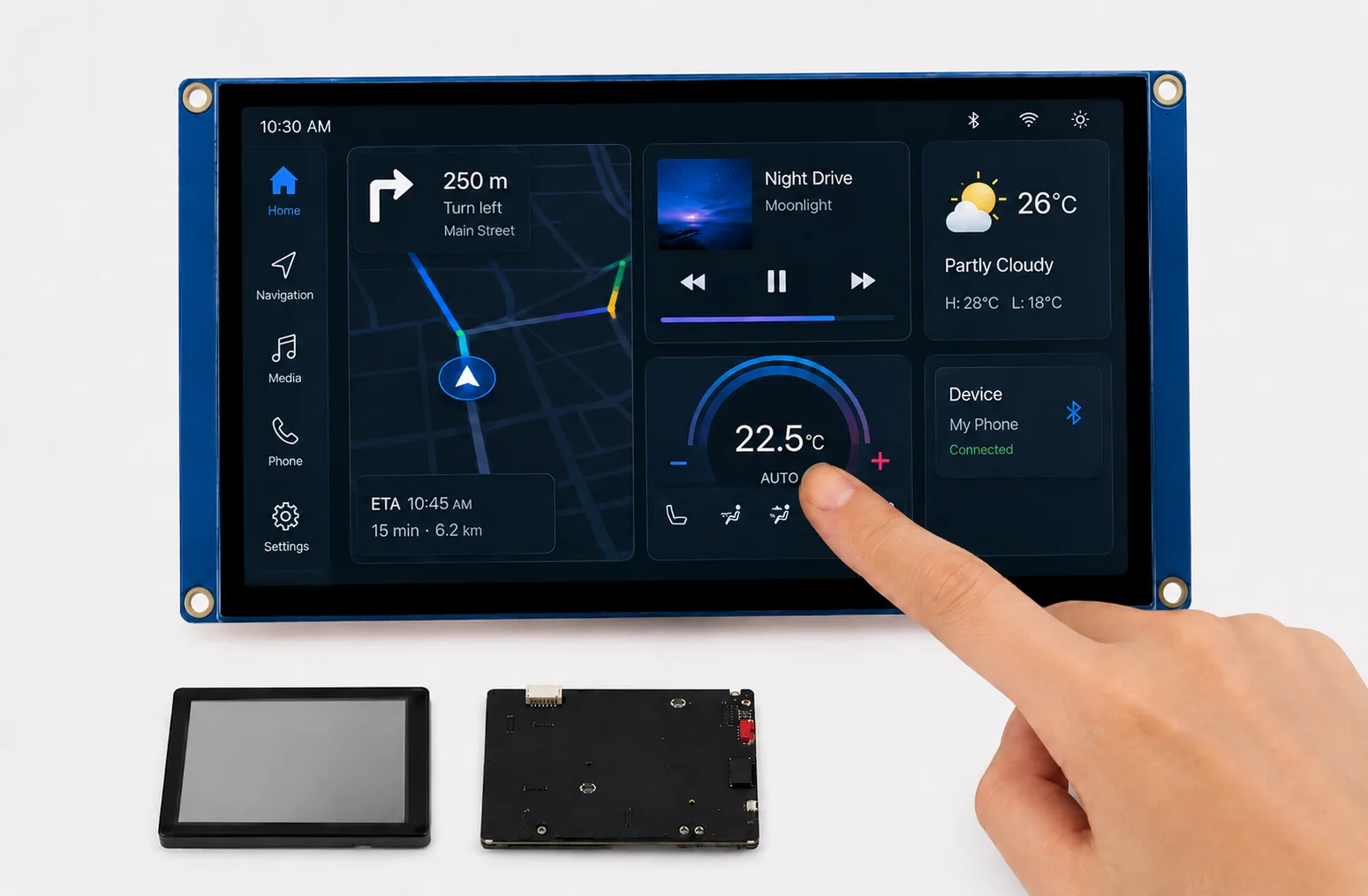
Typical RGB Interface Signals
- R / G / B Data Lines -- Parallel pixel color data per channel
- PCLK -- Pixel clock -- latches data on each edge
- HSYNC -- Horizontal sync -- marks end of each line
- VSYNC -- Vertical sync -- marks end of each frame
- DE -- Data enable -- indicates valid pixel data
When to Choose an RGB Display
Choose an RGB Display when your host controller supports parallel RGB output and your product needs a graphical UI with continuous pixel data, timing control and predictable visual performance.
RGB displays are useful when your UI needs icons, menus, status graphics, parameter screens or simple animation beyond a basic command-based display.
Interface Fit at a Glance
| Choose RGB When | Consider Other Interfaces When |
|---|---|
|
Your host supports parallel RGB output
|
You need very low pin count
|
|
Your UI requires continuous pixel output
|
Your panel is far from the main board
|
|
Your platform can manage PCLK, HSYNC, VSYNC and DE timing
|
You need stronger noise immunity or longer cable routing
|
|
Your project needs 16-bit, 18-bit or 24-bit RGB color data
|
Your system is based on compact high-resolution MIPI DSI or eDP platforms
|
|
Your display is used in a board-level embedded product
|
Your project requires controller-board-based HDMI input
|
If your project needs a very low pin count, SPI or MIPI DSI may be more suitable.
If longer cable routing or stronger noise immunity is required, LVDS may be a better fit.
For Android/Linux or high-resolution compact displays, evaluate MIPI DSI, LVDS or eDP based on the host platform.
LMTEK RGB Display Product Series
LMTEK offers RGB Display series for embedded products requiring parallel RGB interface, graphical UI support, touch matching, or custom FPC and pin definition.
For faster evaluation, request the available model list, datasheet, timing parameters, pinout and mechanical drawing for your selected RGB Display series.
Final specifications should be verified by confirmed LMTEK model number, datasheet and project requirements. RGB bit depth, driver IC, brightness, operating temperature and touch option are model-dependent.
LMTEK can support model selection, sample validation and production planning based on your application, target volume and project timeline.
Parallel RGB Display Modules
Suitable for embedded systems that need direct pixel data output and host-controlled timing. LMTEK helps check data bus configuration, timing signals, pin definition, FPC direction and controller compatibility based on your target platform.
Request Parallel RGB Display Options24-Bit RGB Display Options
24-bit RGB Display options may be considered when your application requires richer color data and the host controller can support the required data lines and timing. Availability depends on the selected display model and controller platform.
Check 24-Bit RGB Display AvailabilityRGB Display with Touch
Suitable when your product requires direct user interaction. Touch selection should be checked together with cover lens design, bonding method, touch interface, front-panel structure and operating environment.
Review RGB Display Touch OptionsKey Advantages of RGB Displays
Understanding what makes parallel RGB interface displays the right choice for your embedded graphical UI project.
Direct Pixel Output for Graphical UI
RGB displays allow the host controller to output pixel data with timing signals. This makes them suitable for embedded interfaces that require icons, menus, status graphics and more visual detail than a simple text or segment display.
Suitable for Embedded Graphic Displays
RGB Display modules are commonly used in embedded display projects where graphical output is important. Suitable size and resolution depend on the panel model, pixel clock, RGB bit depth and host controller capability.
Flexible Color Depth Options
Depending on the selected model, RGB Display modules may support 16-bit, 18-bit or 24-bit RGB configurations. Your team should confirm color depth, pin count and timing requirements before sample selection.
FPC, Pin Definition and Timing Support
RGB interface projects require careful alignment of pin mapping, PCLK, HSYNC, VSYNC, DE and FPC routing. LMTEK helps align FPC layout, pin definition and timing requirements with your selected display platform.
Ready to Evaluate an RGB Display?
Contact LMTEK's engineering team to discuss model selection, sample availability, timing parameters, FPC configuration and project support for your RGB Display application.
Typical Applications of RGB Displays
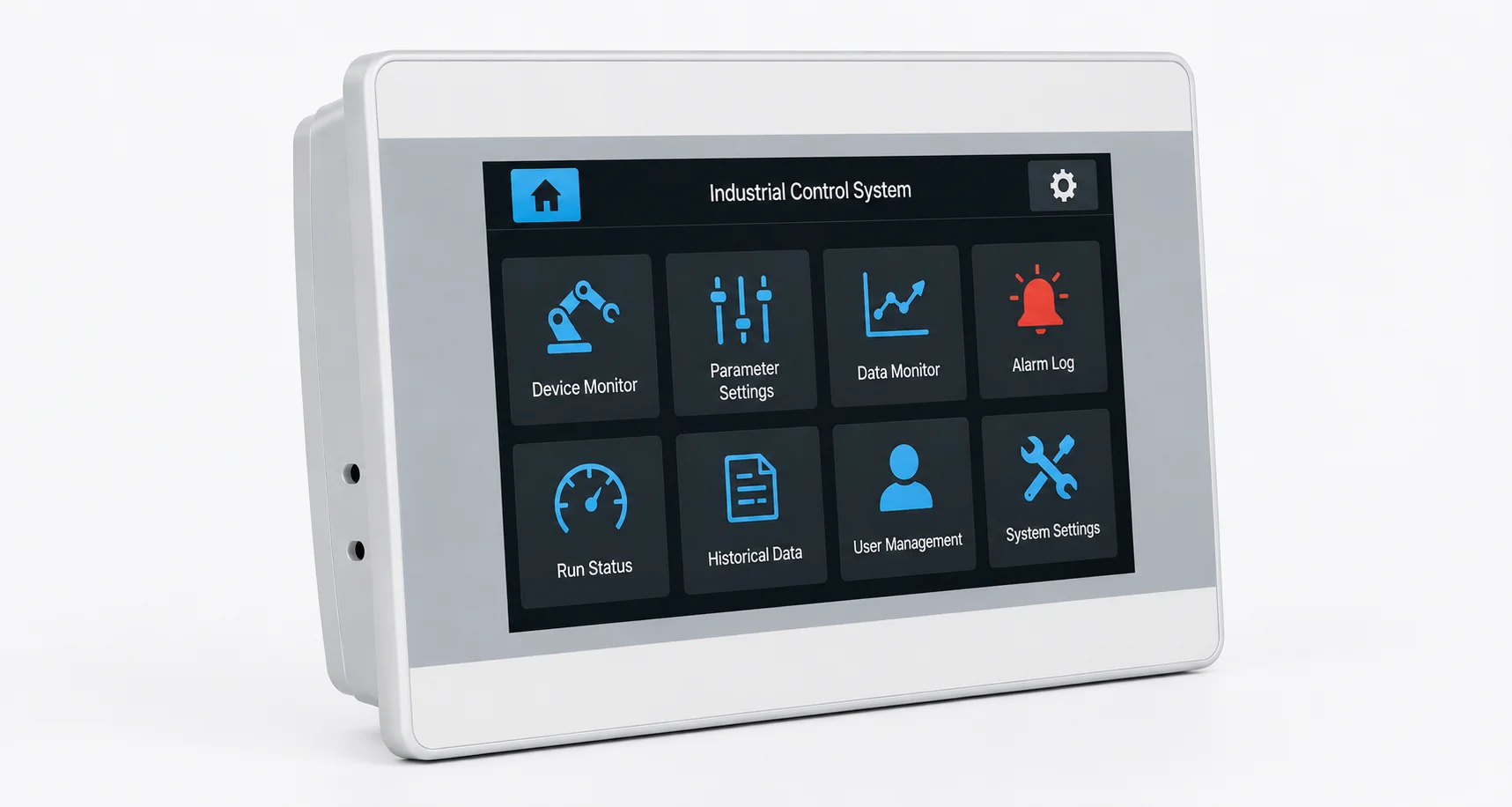
RGB Display for Industrial HMI Panels
RGB displays can be used in industrial control panels, compact HMIs, machine status screens and operator interfaces that require stable graphical output and clear parameter visualization.
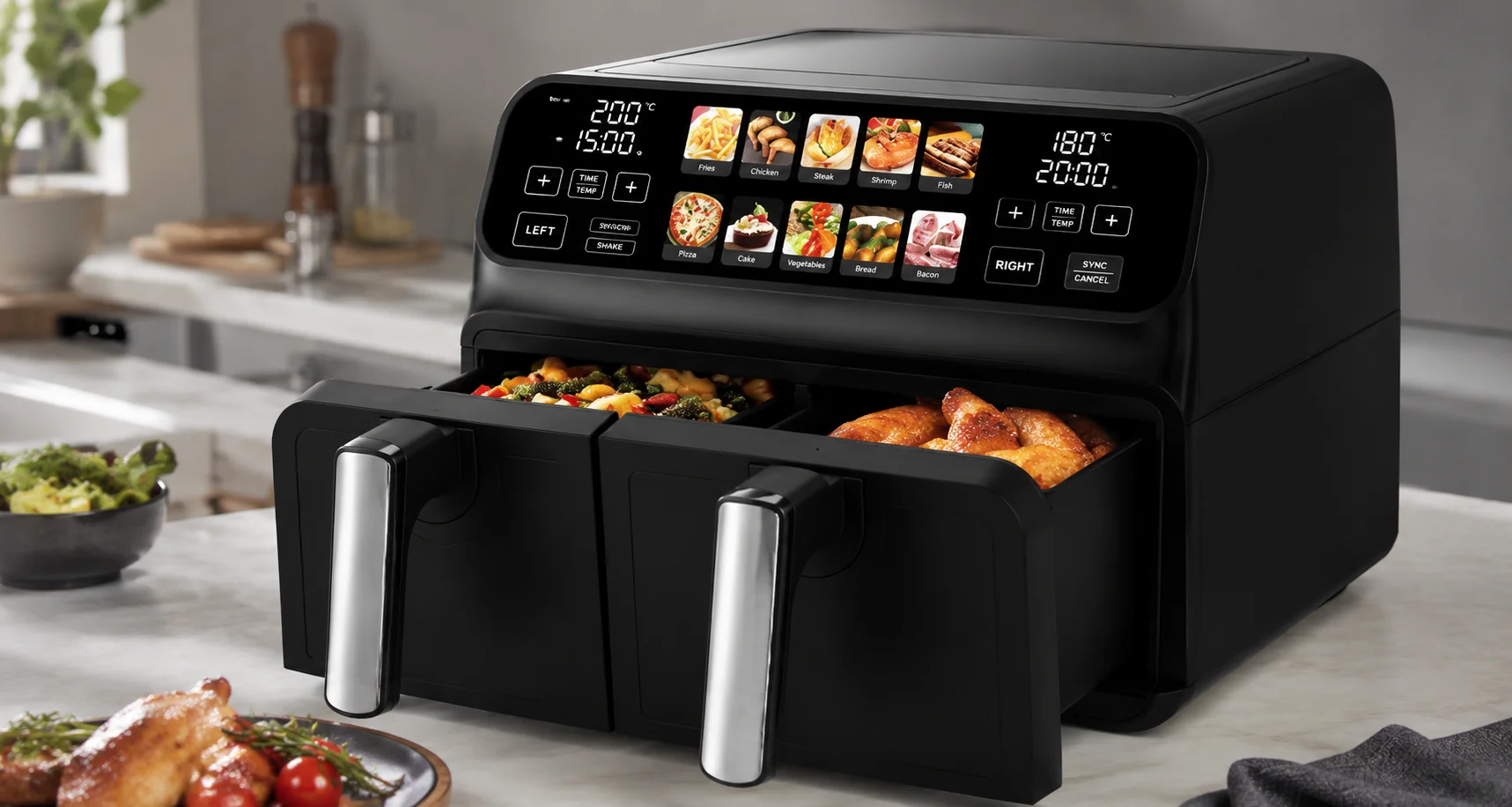
RGB Display for Appliance Interfaces
RGB Display modules are suitable for appliance control panels, HVAC interfaces, kitchen equipment, white goods and smart device panels that need icons, values, menus or status feedback.
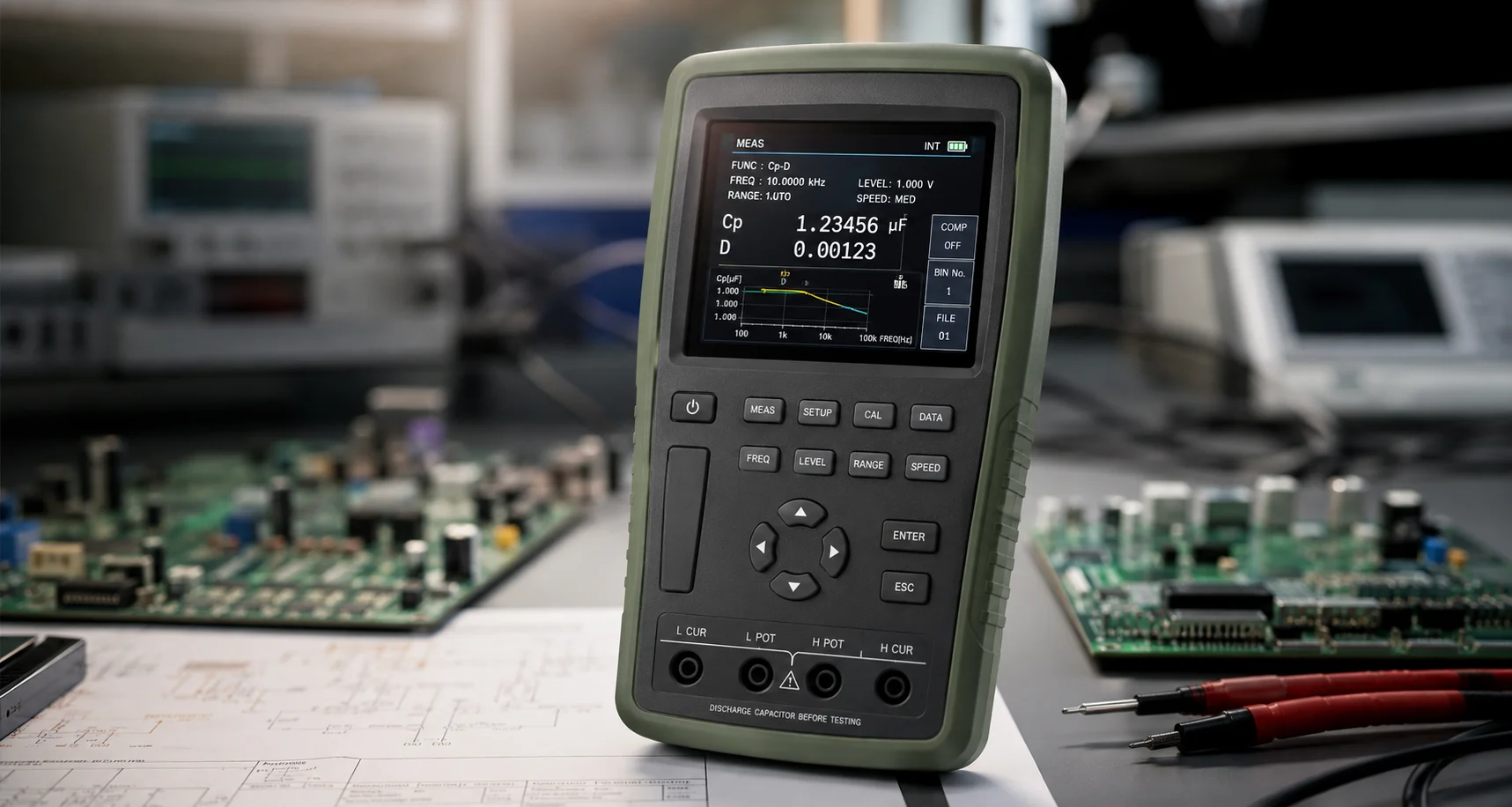
RGB Interface Display for Instruments and Control Devices
For meters, measurement tools and control terminals, an RGB interface display can show readings, menus, warnings and graphical indicators in a compact UI layout.
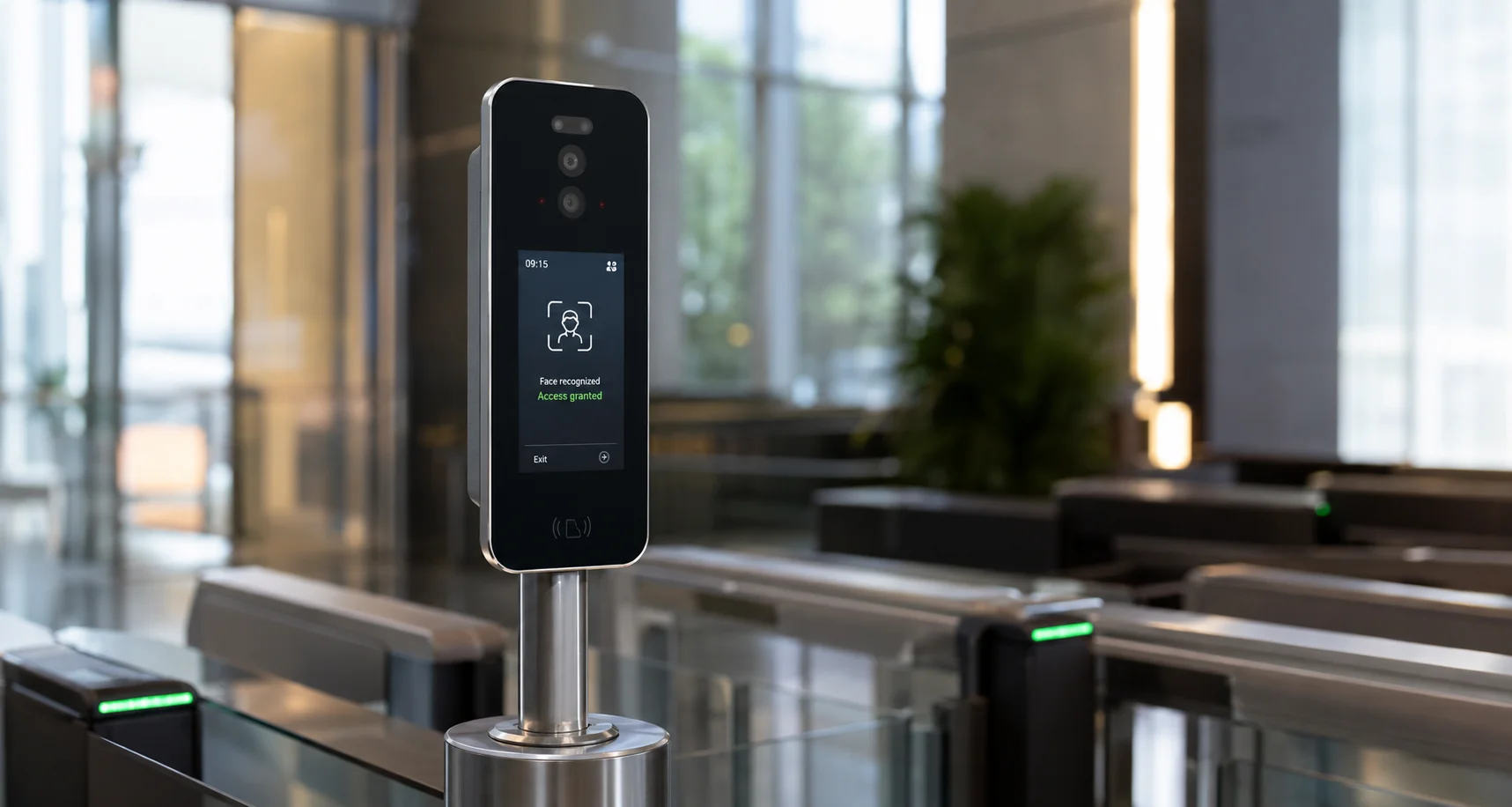
RGB Display Module for Smart Building Controls
RGB display modules can support wall-mounted control panels, room controllers, access terminals and smart building sub-interfaces where compact graphical UI and stable operation are important.
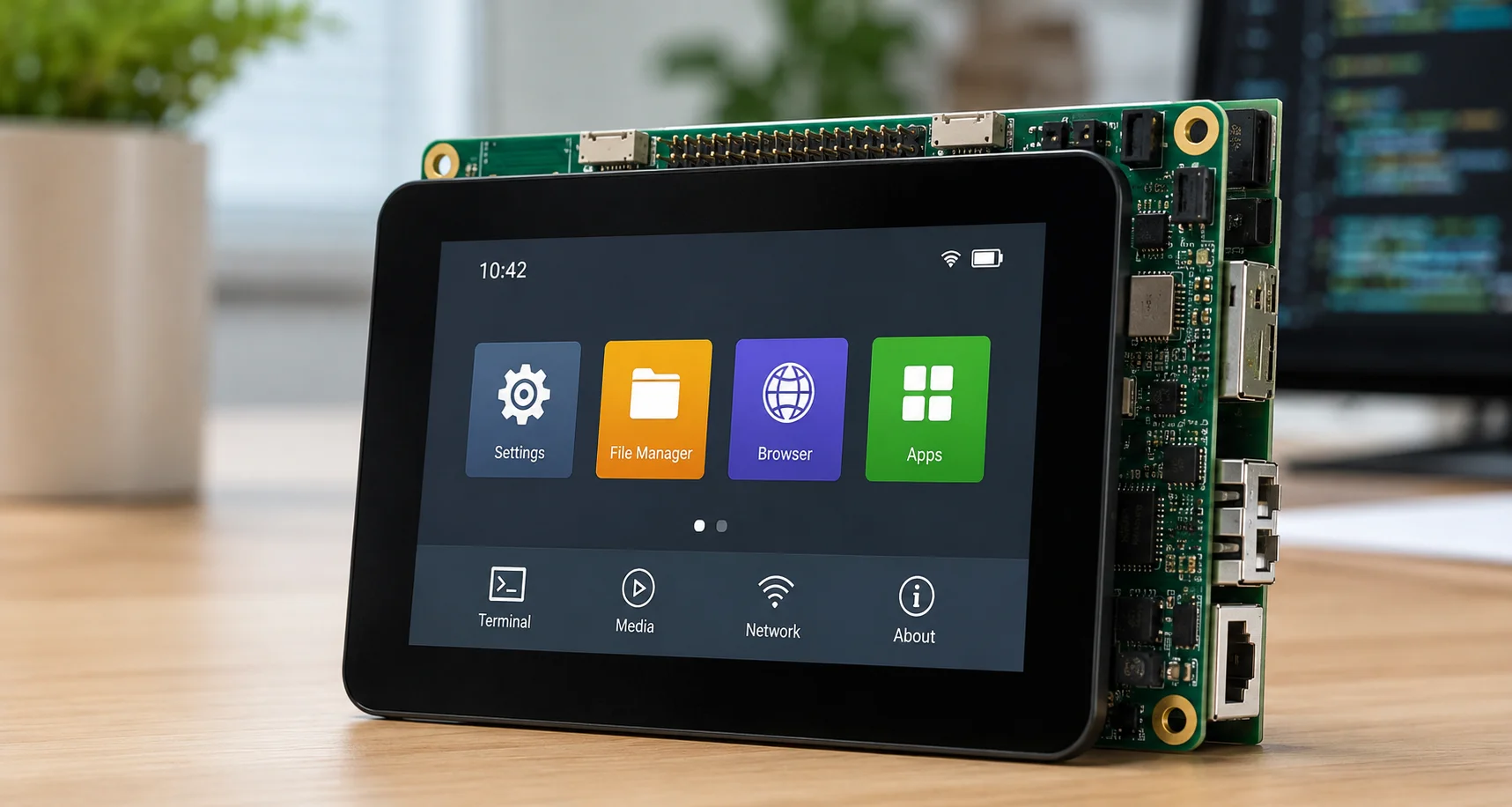
RGB Display for Embedded Graphic Interfaces
RGB displays are suitable for embedded products that need more visual information than simple command-based screens, but do not require a high-speed serial display interface.
How to Select an RGB Display Module
An RGB Display module should not be selected by size alone. When selecting an RGB LCD module, your team should confirm the TFT LCD RGB interface, timing signals, pin definition and host controller capability before sample validation.
Display Size and Resolution
Confirm the target display size, resolution and UI content. Final suitability depends on host output capability, pixel clock and refresh requirements.
RGB Bit Depth and Data Bus
Confirm whether your project needs 16-bit, 18-bit or 24-bit RGB. Higher color depth requires more data lines and may affect FPC design and PCB routing.
Pixel Clock and Timing Signals
Check PCLK, HSYNC, VSYNC, DE and related timing parameters. These signals must match the display datasheet and the host controller output.
Frame Buffer and Host Controller Support
RGB interface requires the host controller to provide continuous pixel data and timing signals. Confirm frame buffer, memory bandwidth and graphics output support.
Pin Definition and FPC Direction
Review pin mapping, connector type, FPC exit direction and assembly route before sample selection to reduce redesign risk during PCB and mechanical integration.
Touch Interface and Cover Lens
If touch is required, confirm whether the project needs RTP or PCAP, and check I²C or USB touch interface options together with cover lens, printing area and bonding method.
Backlight, Brightness and Power Budget
Check brightness, backlight voltage/current, PWM dimming requirement and power budget. Brightness should be confirmed by model and operating environment to ensure adequate visibility in your target application.
Engineering Note: Always validate timing parameters against your host controller datasheet before committing to a sample order. LMTEK's engineering team is available to assist with interface compatibility checks and module pre-selection.
Need a Custom RGB Display?
Project-Based Support for FPC, Pin Definition, Touch and Backlight
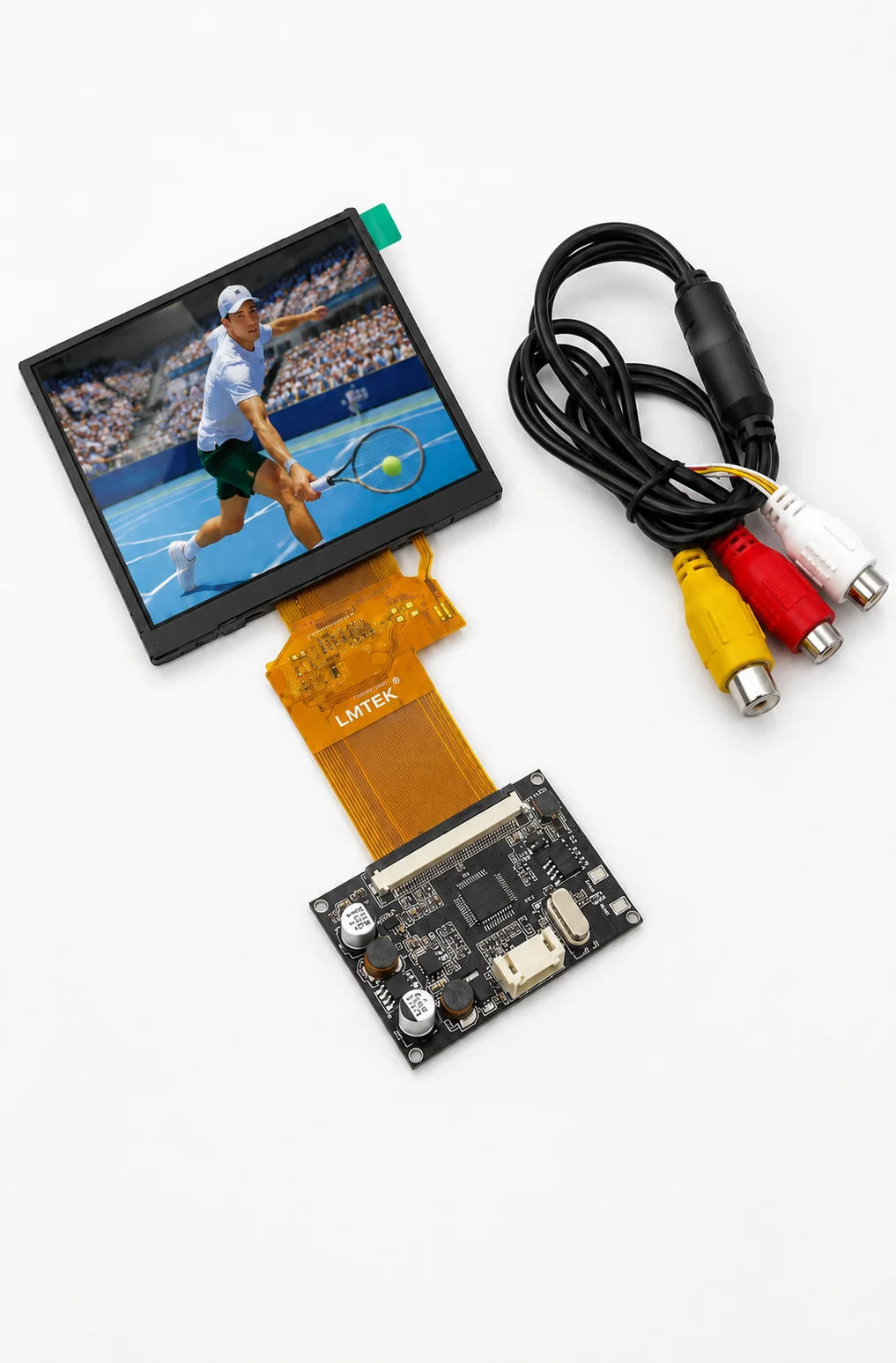
If your project requires more than a standard RGB Display module, LMTEK can evaluate selected customization needs based on project feasibility and production requirements.
For detailed customization options, please visit our Custom TFT Display page.
Related TFT Display Interface Categories
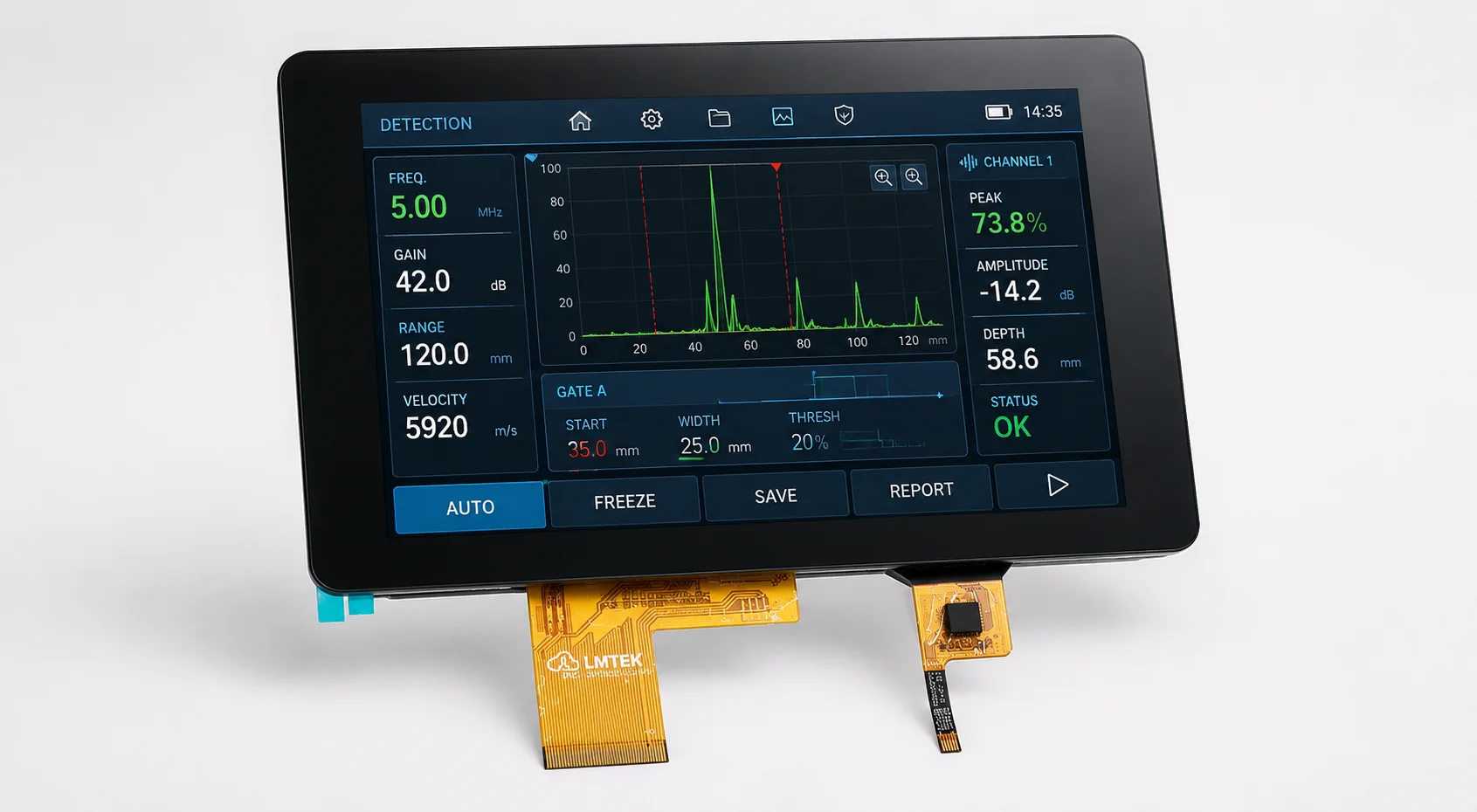
TFT Displays
Explore LMTEK TFT display modules with size, resolution, brightness, touch and interface options for industrial and embedded applications.
View TFT Displays
MCU TFT Displays
Review MCU TFT display modules for 8080/6800 bus, controller-based UI and compact embedded interfaces.
View MCU TFT Displays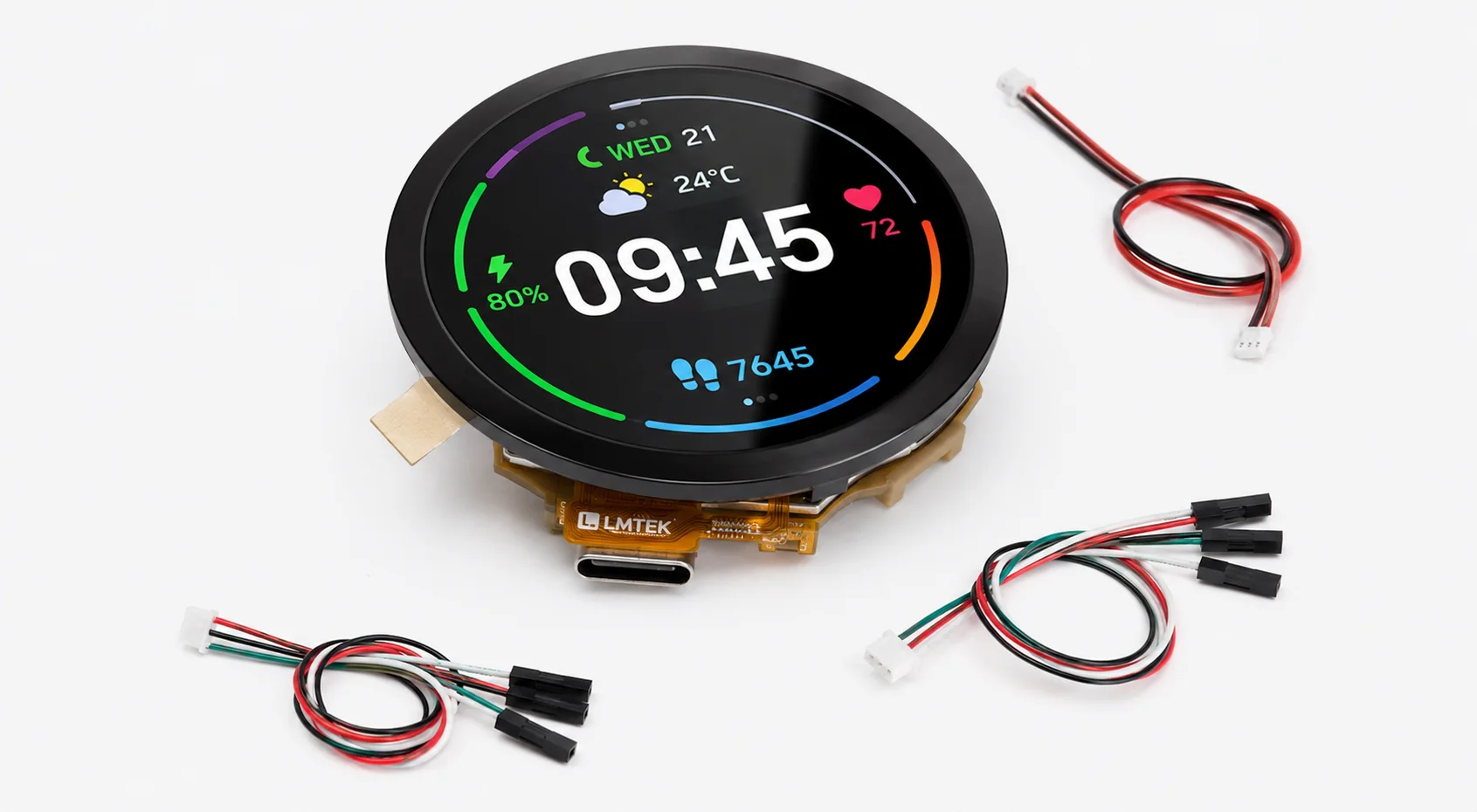
SPI TFT Displays
Review SPI TFT display options for compact devices, low-pin-count designs and simple graphical interfaces.
View SPI TFT Displays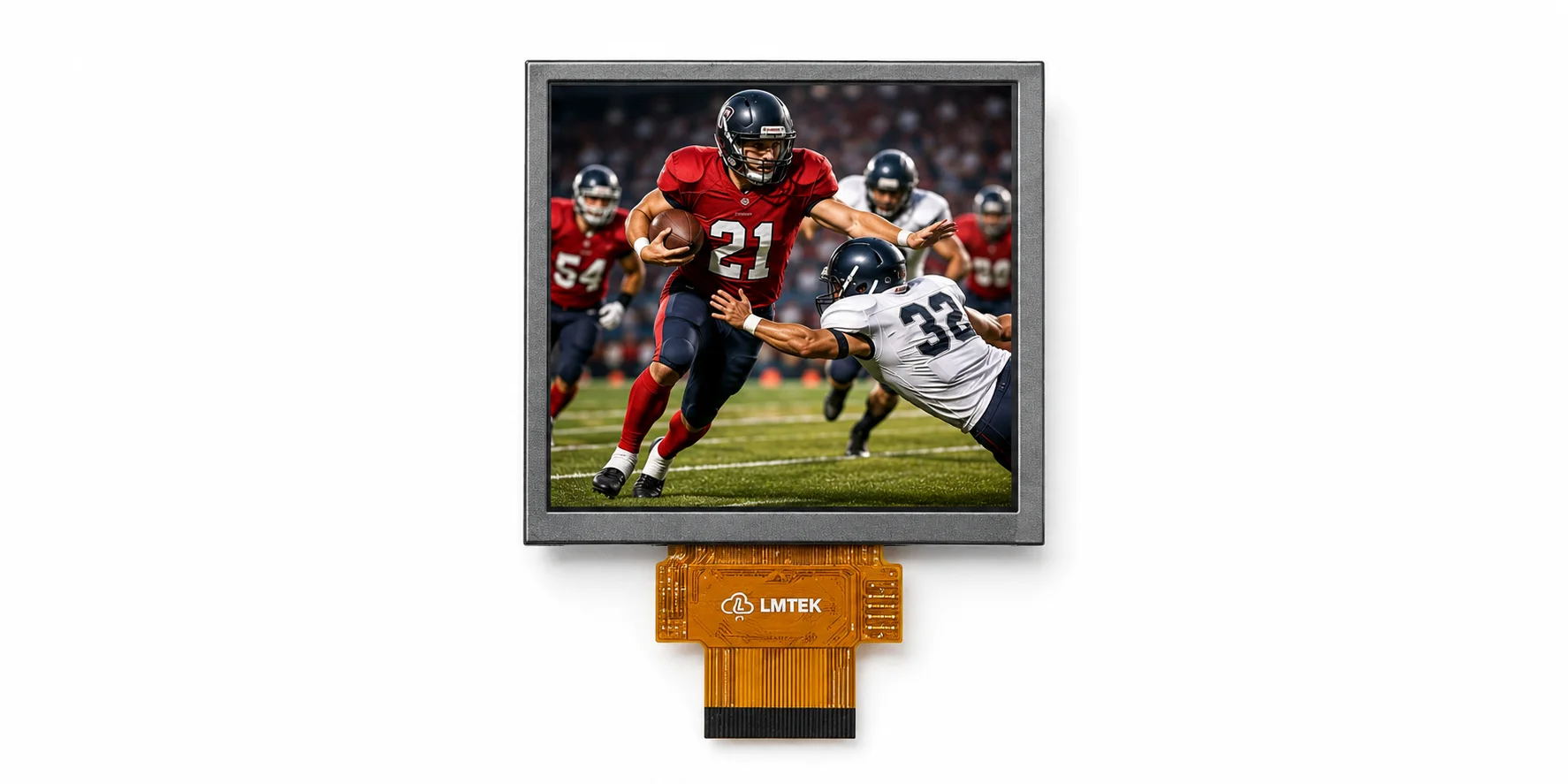
MIPI Displays
Explore MIPI DSI display options for compact, high-resolution embedded systems and SoC-based platforms.
View MIPI Displays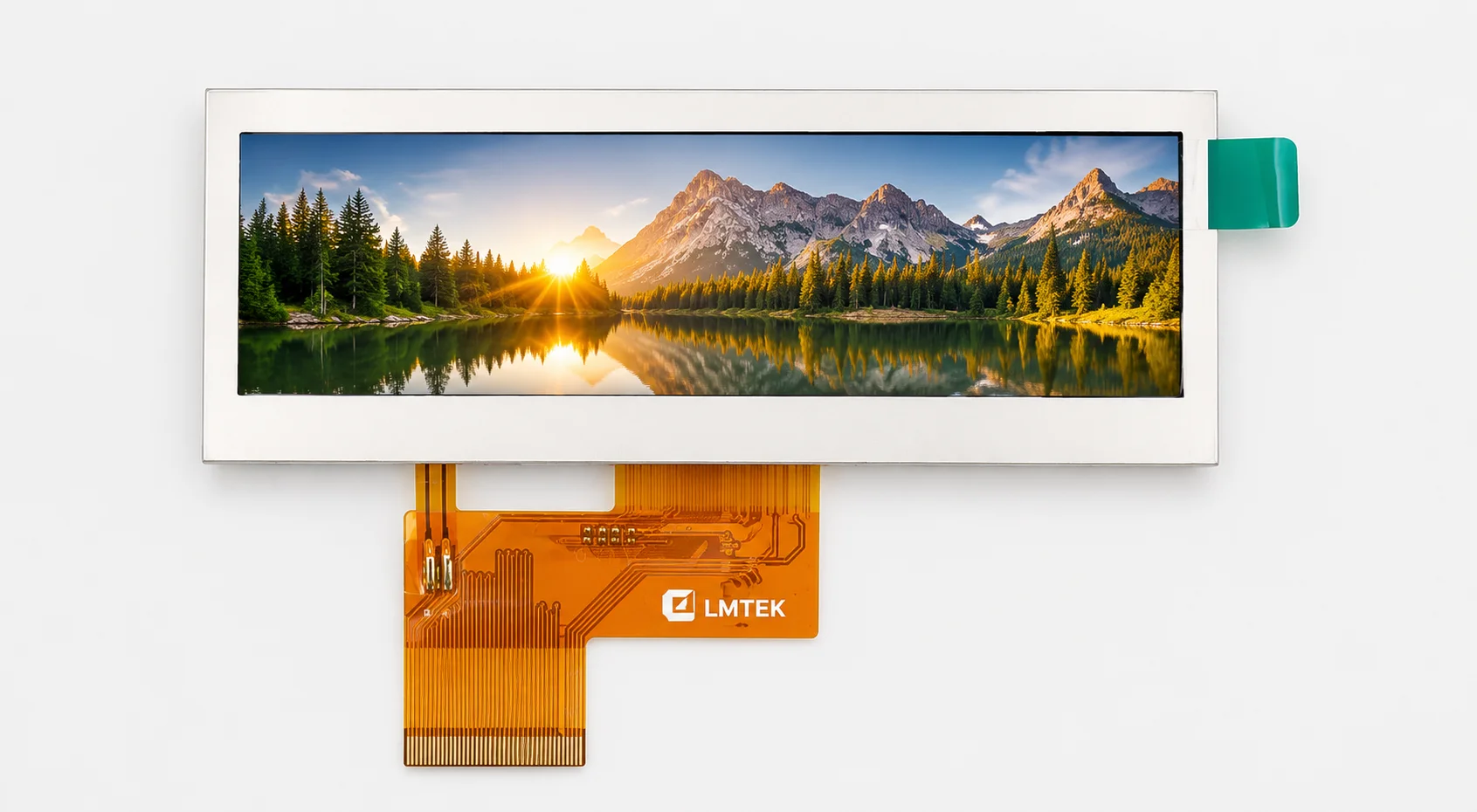
LVDS Displays
Review LVDS display options for industrial HMIs, larger TFT panels and applications that need stronger signal stability.
View LVDS Displays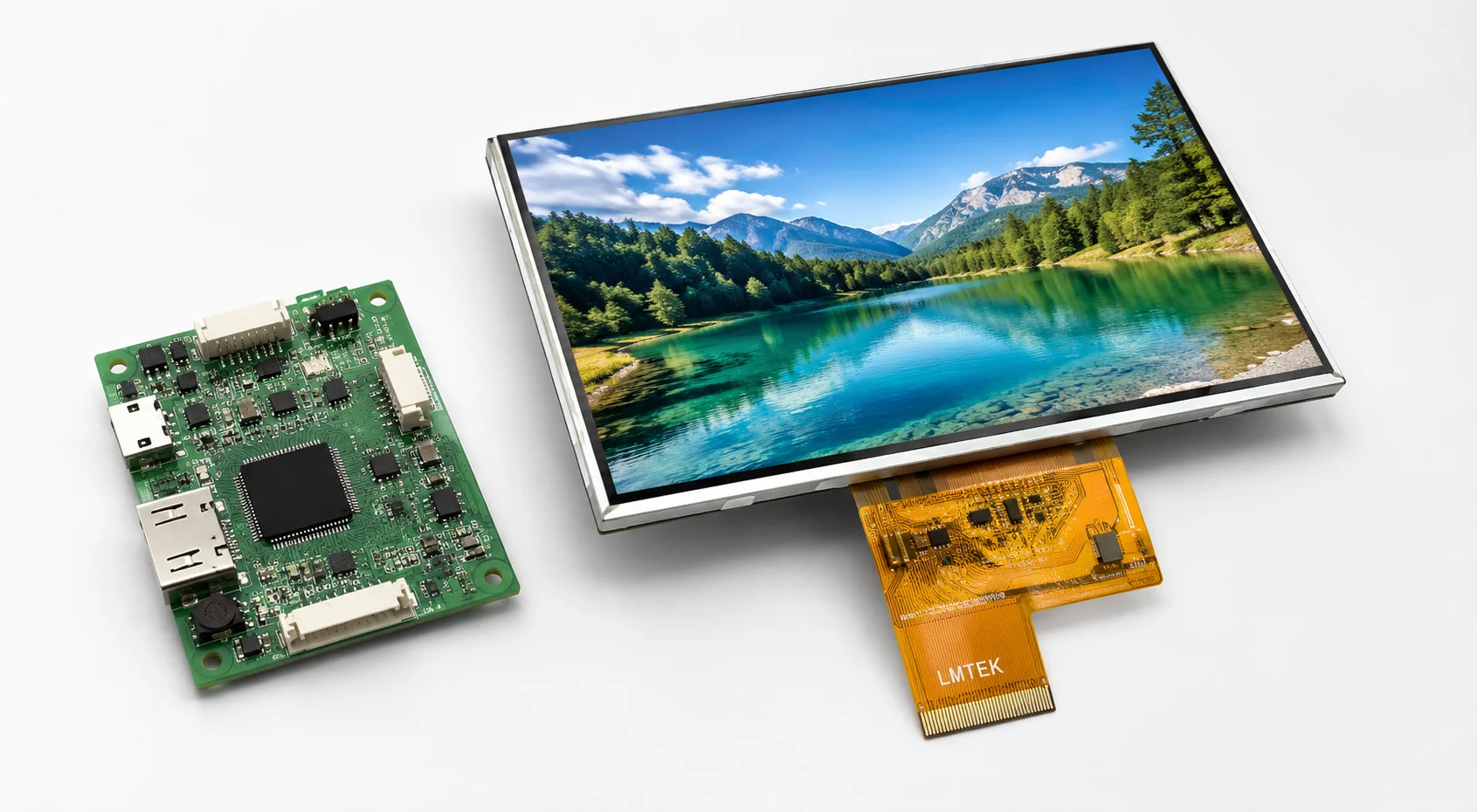
HDMI TFT Displays
Explore HDMI TFT display options for controller-board-based integration, SBC projects and fast sample validation.
View HDMI TFT Displays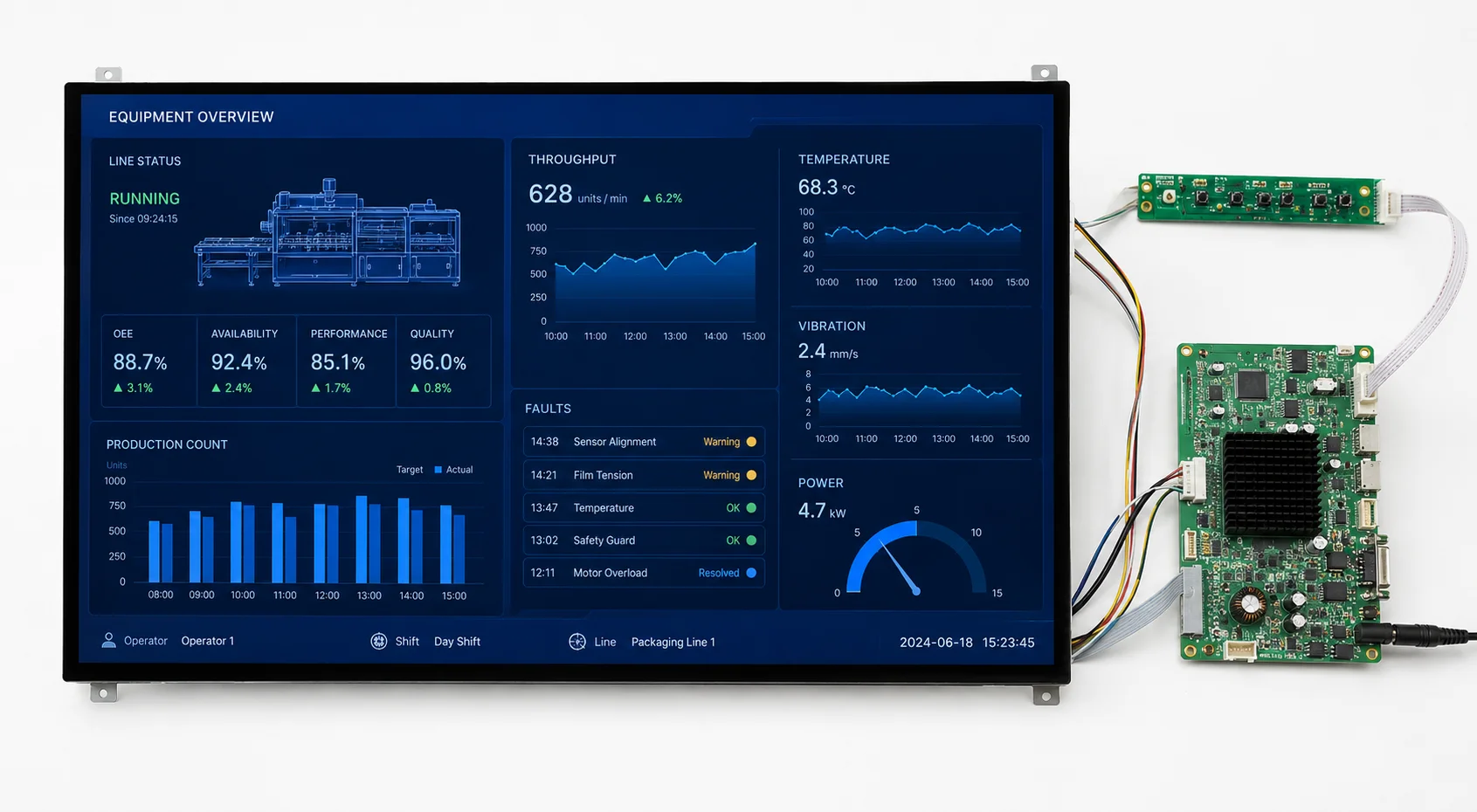
eDP Displays
Review eDP display options for high-resolution embedded computing platforms and industrial display systems.
View eDP Displays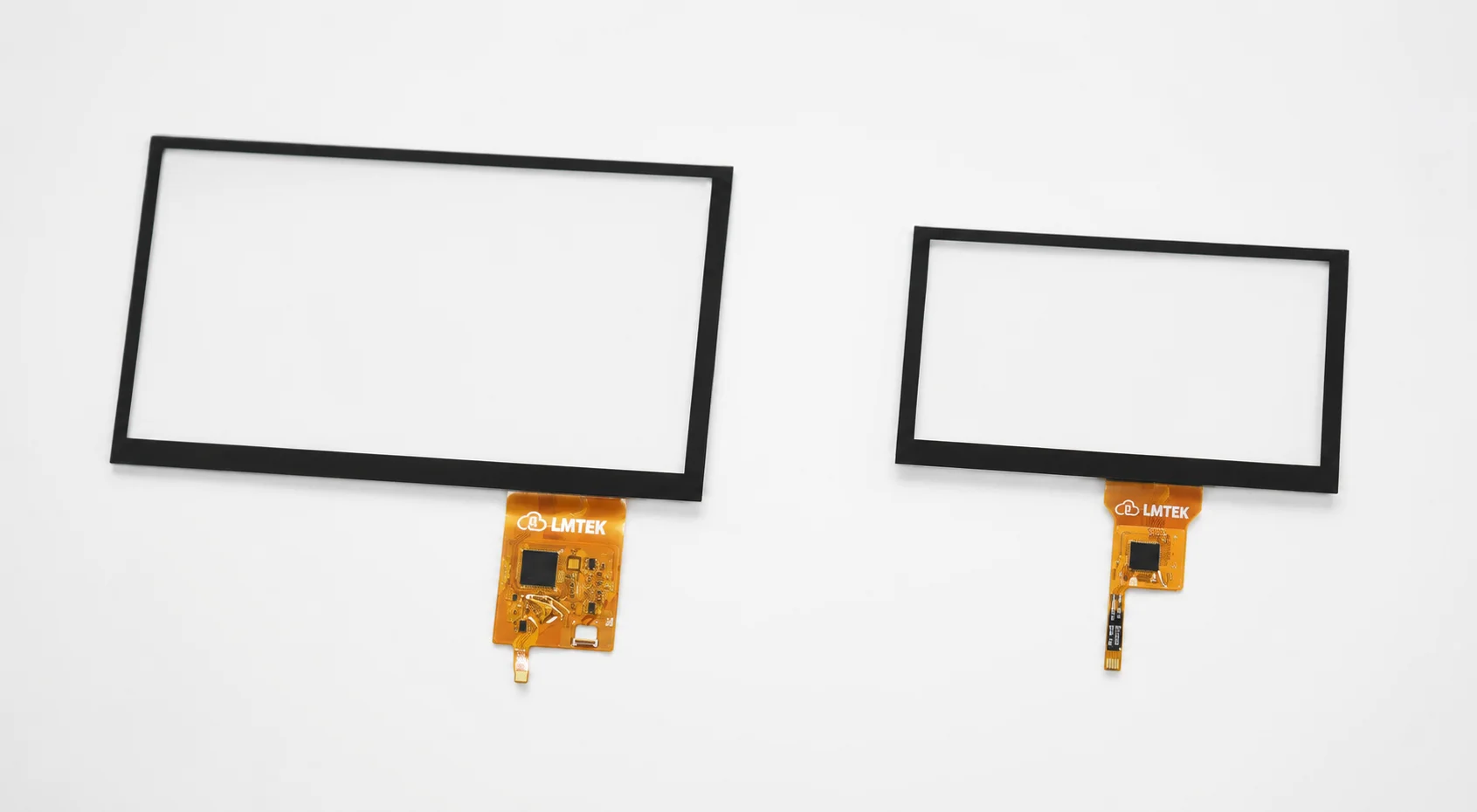
Touch Screens
Review resistive and capacitive touch screen options with cover lens, surface treatment, bonding and interface support.
View Touch Screens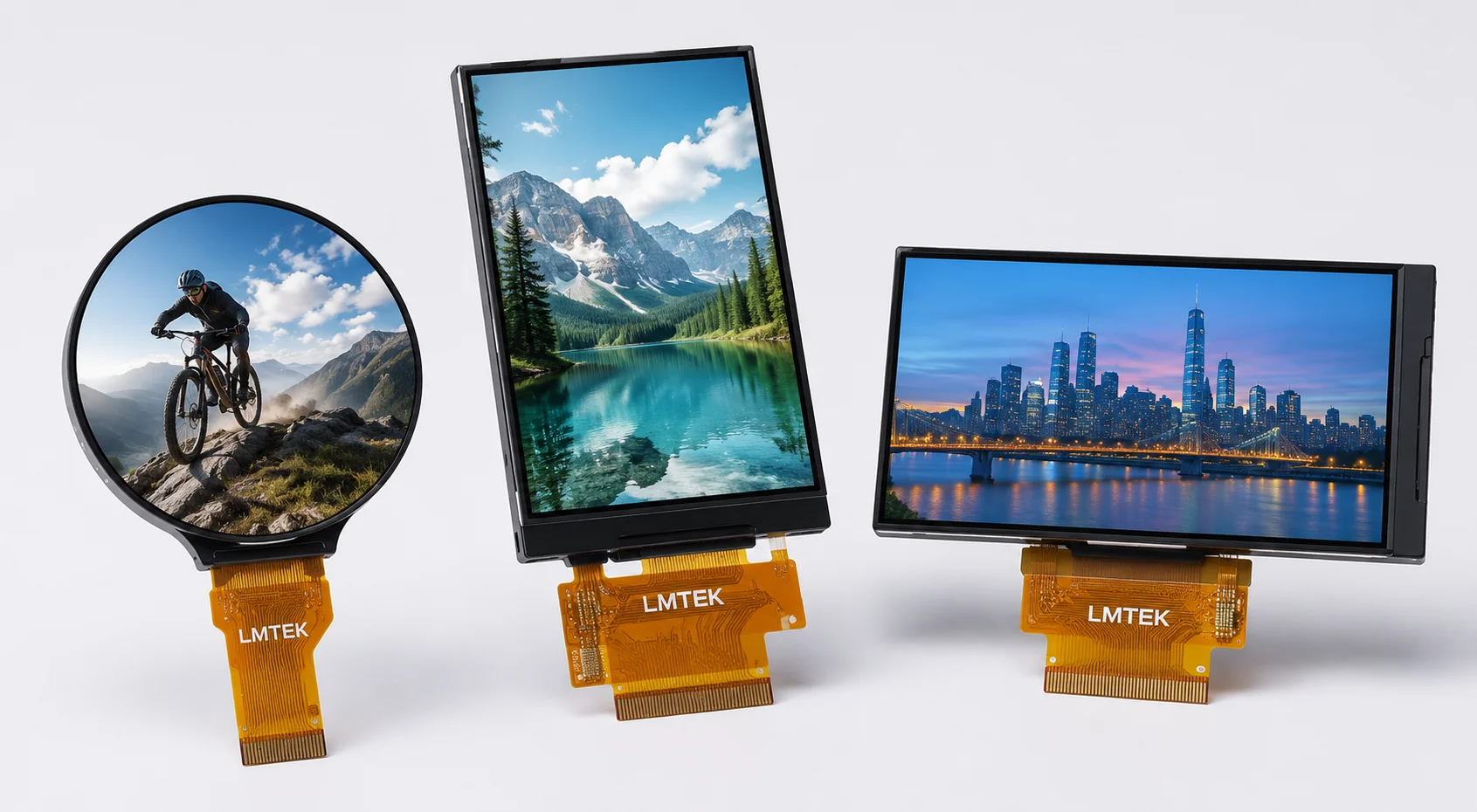
Custom TFT Displays
Need changes to FPC, pin definition, touch, backlight or mechanical fit? Review LMTEK's project-based custom TFT display options.
View Custom TFT DisplaysRGB Display FAQ
What is an RGB Display?
What is the difference between RGB Display and MCU TFT display?
What is the difference between RGB Display and MIPI display?
What is 24-bit RGB interface in TFT LCD?
Does an RGB Display need a frame buffer?
Can RGB displays support capacitive touch?
Can LMTEK customize the FPC or pin definition for RGB displays?
Share Your RGB Display Requirements
Send us your target specifications and application details. LMTEK will review your display size, resolution, RGB bit depth, timing signals, touch requirement and mechanical constraints to help recommend a suitable RGB Display module or customization path.
Recommended Information to Submit
- Target display size
- Resolution requirement
- RGB bit depth: 16-bit / 18-bit / 24-bit
- PCLK / timing requirement, if available
- HSYNC / VSYNC / DE requirement
- Host controller or SoC platform
- Pin definition or existing FPC drawing
- Touch requirement
- Brightness requirement
- Backlight control method
- Operating environment
- Application and expected annual volume
- Existing datasheet or reference panel
- Sample and production timeline