High Brightness Display Modules for Industrial and Outdoor-Readable Applications
High brightness TFT LCD modules for industrial HMIs, outdoor equipment, EV charging interfaces and outdoor-readable touch display projects.
A high brightness display is selected when your product must remain readable under strong ambient light.
LMTEK provides high brightness TFT display and outdoor-readable display module options for industrial HMIs, EV charging interfaces, energy terminals, outdoor equipment panels and embedded display projects. Your project can be reviewed by brightness target, size, resolution, interface, touch option, optical bonding, cover lens, dimming method, power budget and mechanical fit.
Project Review Focus
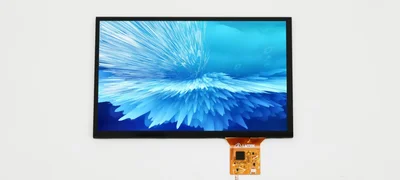
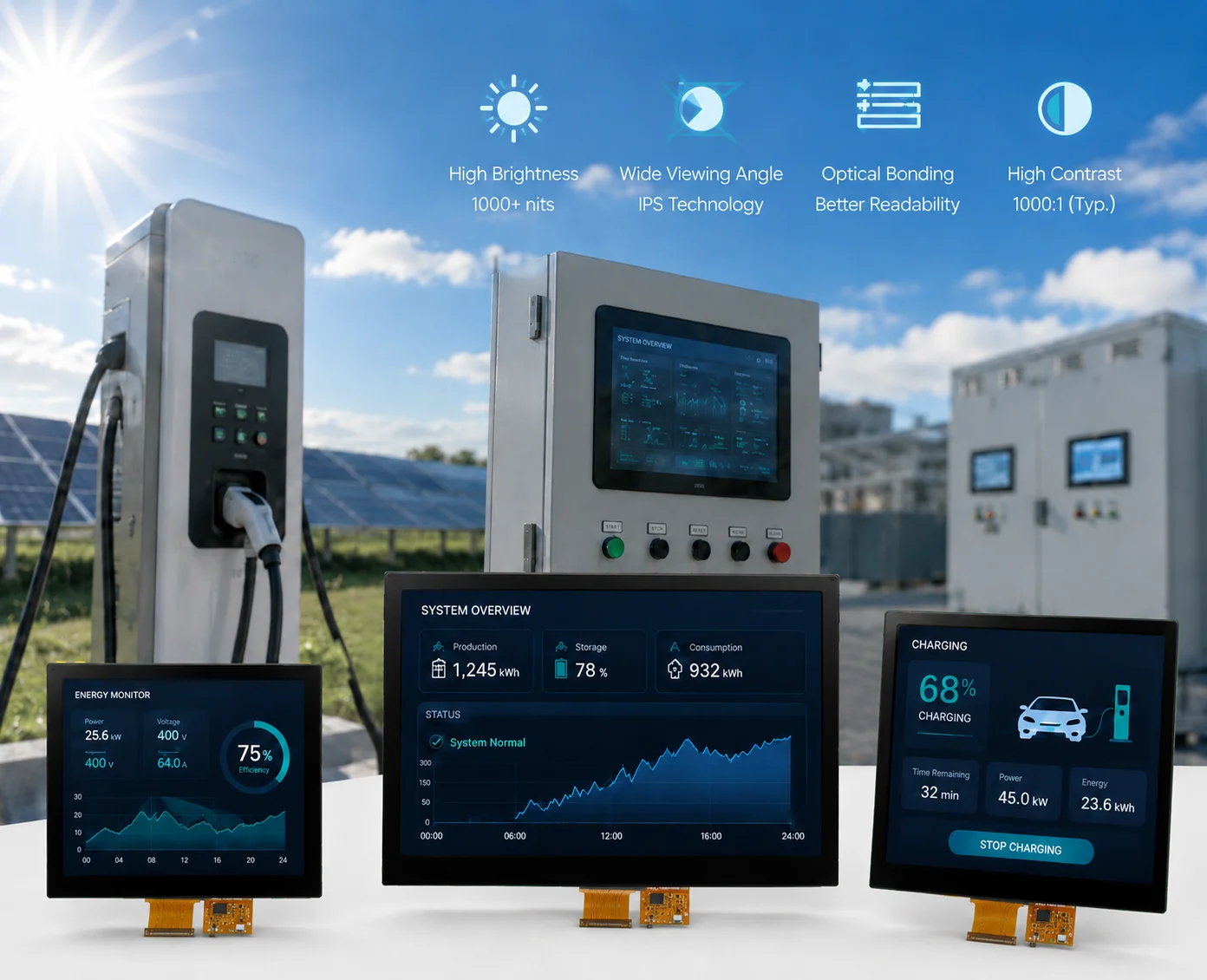
High Brightness TFT LCD Modules for Strong Ambient Light Conditions
LMTEK supplies high brightness display modules for product teams building industrial HMIs, outdoor-readable equipment panels, EV charging terminals, energy management displays and smart control systems.
A high brightness TFT LCD is used when normal indoor brightness cannot support clear reading in bright workshops, semi-outdoor locations or front-panel installations exposed to ambient light.
Typical check points include brightness value, contrast, touch option, cover lens, optical bonding, AG / AR treatment, backlight current, dimming method, operating temperature, enclosure design and sample validation.
LMTEK can help match:
What Is a High Brightness Display?
A high brightness display is a TFT LCD module with a brighter backlight than a standard indoor display.
Brightness Measurement
Brightness is measured in nits or cd/m². A higher value can improve readability, but it does not guarantee outdoor readability by itself.
Actual Readability Factors
Actual readability depends on brightness, contrast, surface reflection, cover lens, bonding method, UI color, viewing angle and ambient light.
Power & Thermal Considerations
Higher brightness can increase power consumption and heat. Backlight current, dimming control, thermal path and backlight lifetime should be reviewed before sample validation.
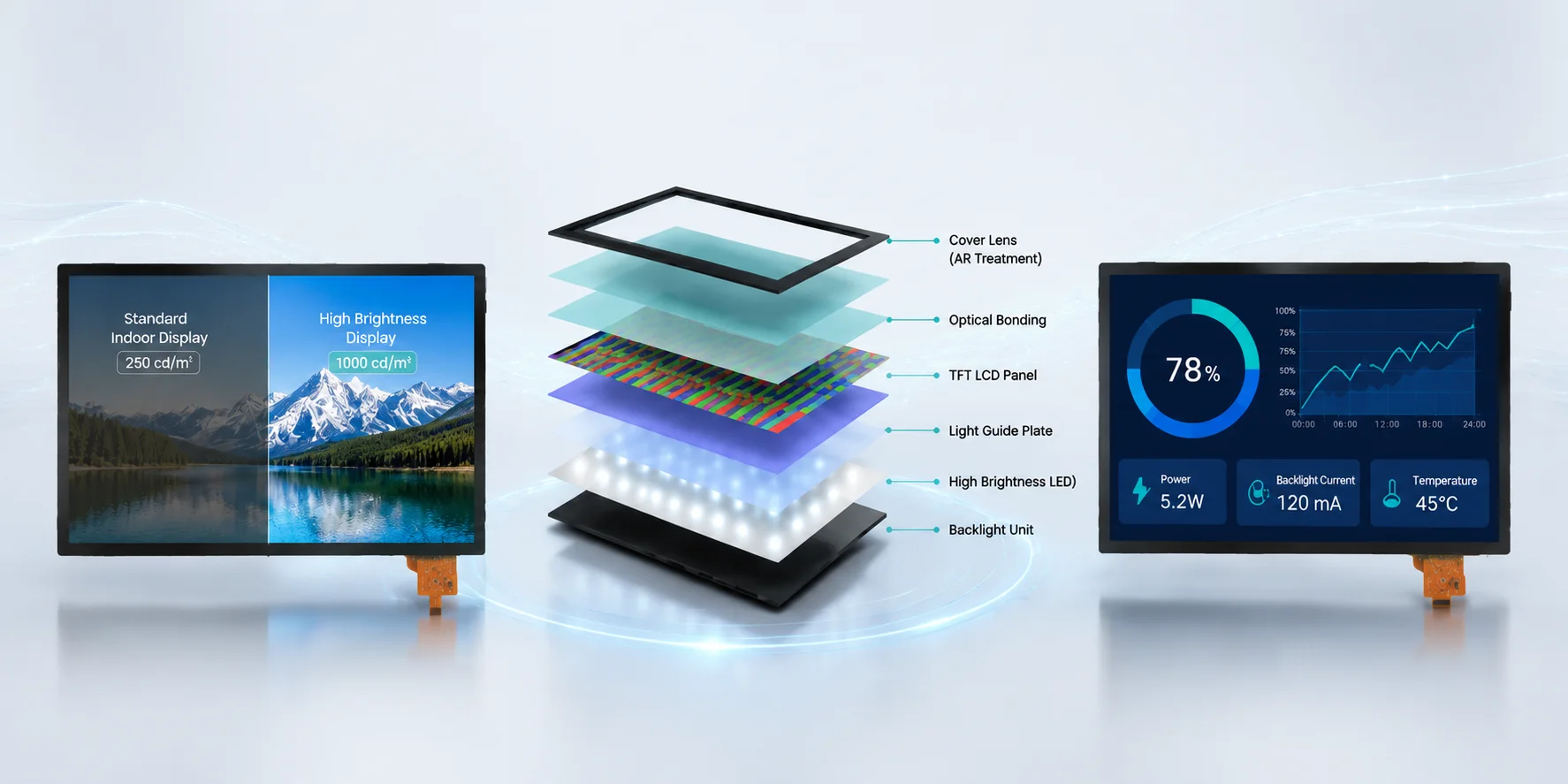
High Brightness vs Sunlight Readable Display
Understanding the difference for production projects
High Brightness Display
A high brightness display focuses on backlight output. It increases the luminance value of the module to push more light through the panel.
Sunlight Readable Display
A sunlight readable display focuses on real viewing performance under strong ambient light — combining brightness, contrast, bonding, and surface treatment.
For production projects: Sunlight readability should be reviewed as a system result, not a brightness number alone.
System Check Points
Ready to Review Your Brightness Requirements?
Share your project details with LMTEK engineers. We will help match display, backlight, touch, bonding, cover lens and mechanical structure before production planning.
When to Choose a High Brightness Display
Choose a high brightness display when ambient light affects reading, user operation or safety information.
High Brightness Display Fit at a Glance
|
Choose High Brightness Display When
|
Review Other Display Options When
|
|---|---|
|
Device is used under strong ambient light
|
Display is used only in controlled indoor light
|
|
Users read status, values or instructions outdoors
|
Low power consumption is the main priority
|
|
Product is an EV charger, energy terminal or outdoor panel
|
Enclosure cannot manage extra heat
|
|
Touch works behind cover lens or front glass
|
Standard brightness already passes validation
|
|
Optical bonding or AG / AR treatment may be needed
|
Cost target is more important than readability
|
High brightness TFT displays are used when readability affects product operation. Brightness should be reviewed together with bonding, surface reflection, dimming, thermal design and power budget.
LMTEK High Brightness Display Product Series
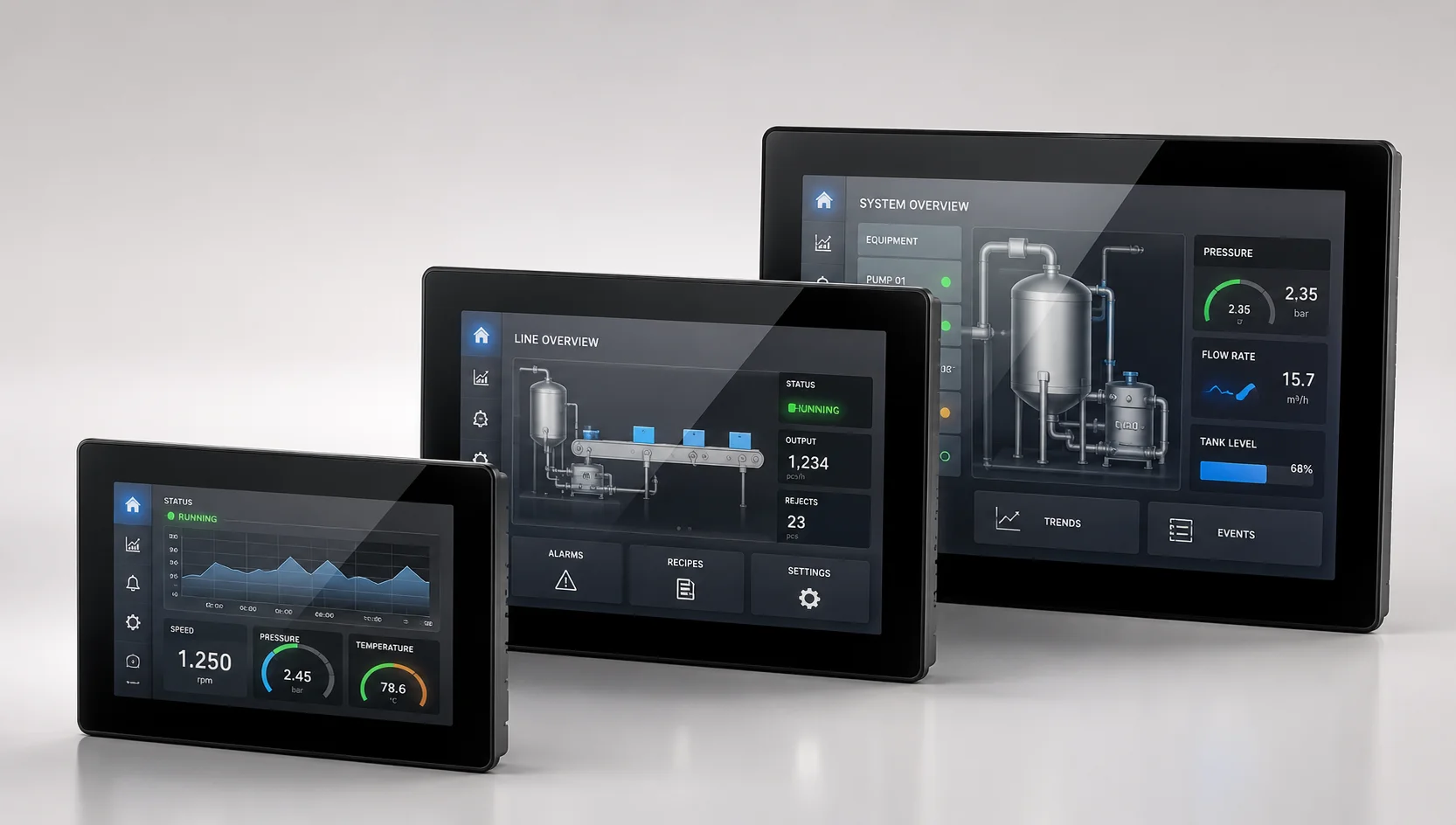
LMTEK offers high brightness TFT display product series for projects that require readable local interfaces, touch integration, optical structure review, backlight tuning and mechanical validation.
For faster evaluation, request the available model list, datasheet, brightness value, backlight information, bonding option, touch option, interface information and outline drawing.
High Brightness TFT Displays
Industrial-grade high brightness TFT LCD modules engineered for demanding visibility environments.
Project Support Note
LMTEK can support model selection, backlight tuning, touch matching, sample validation and production planning based on your brightness target, operating environment, enclosure design and project timeline. For production programs, lifecycle expectations, PCN requirements and alternative model review can also be discussed during project evaluation.
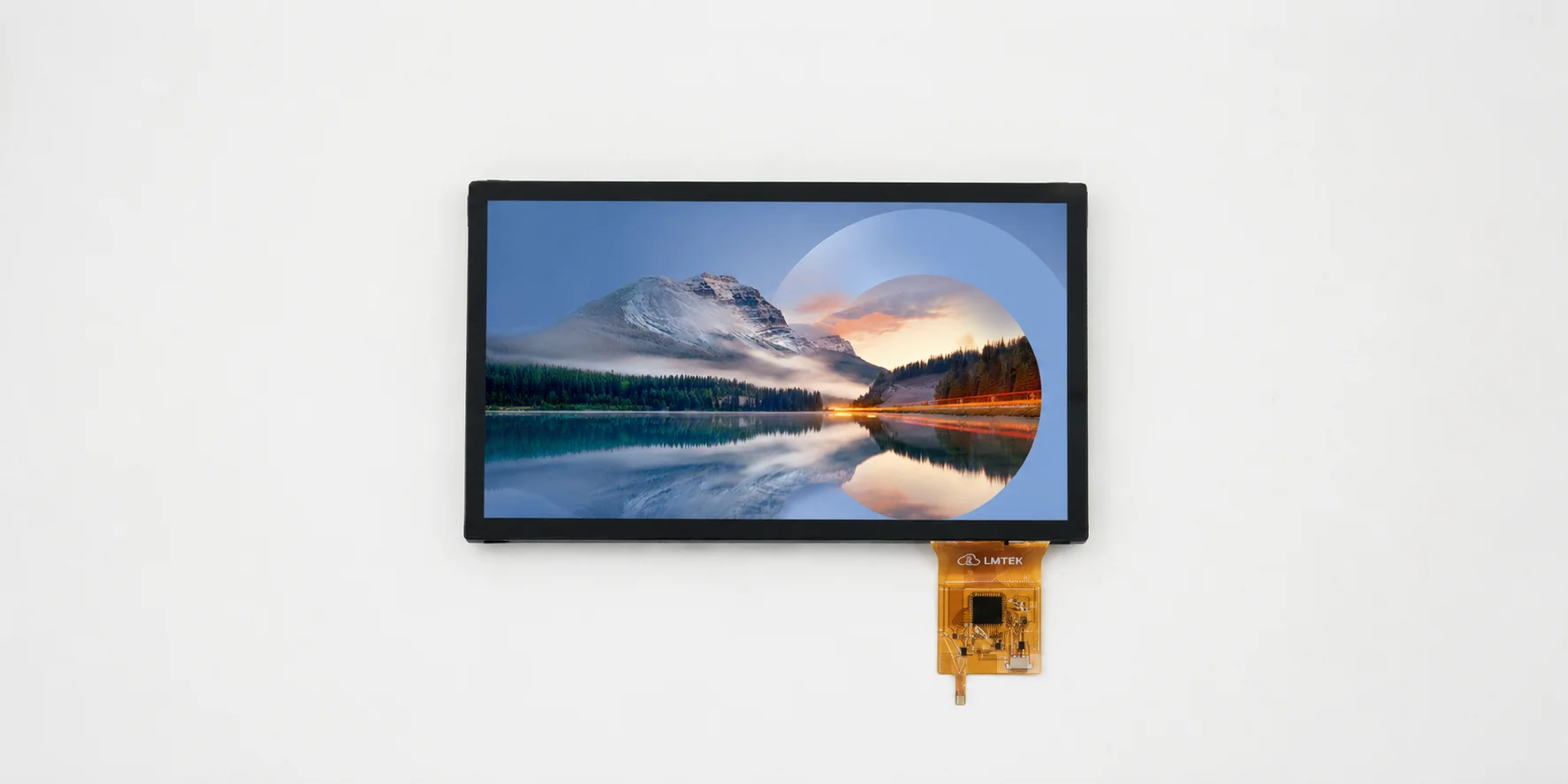
High Brightness TFT Display Modules
High brightness TFT display modules are used when the target product needs stronger backlight output than a standard indoor module.
Review Checklist
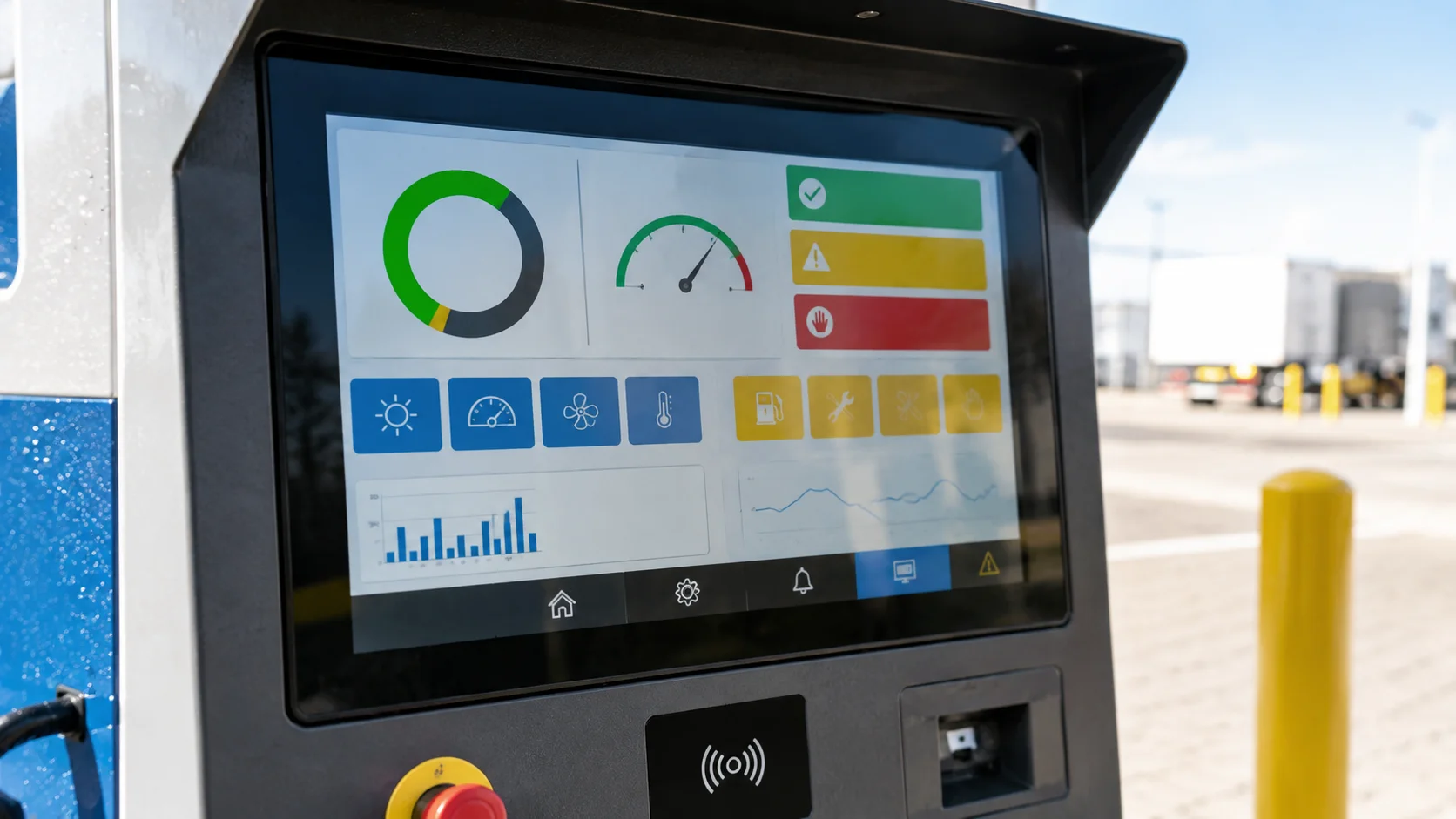
Sunlight Readable TFT Display Options
Sunlight readable TFT display options should be reviewed by brightness, reflection control and system validation.
Review Checklist
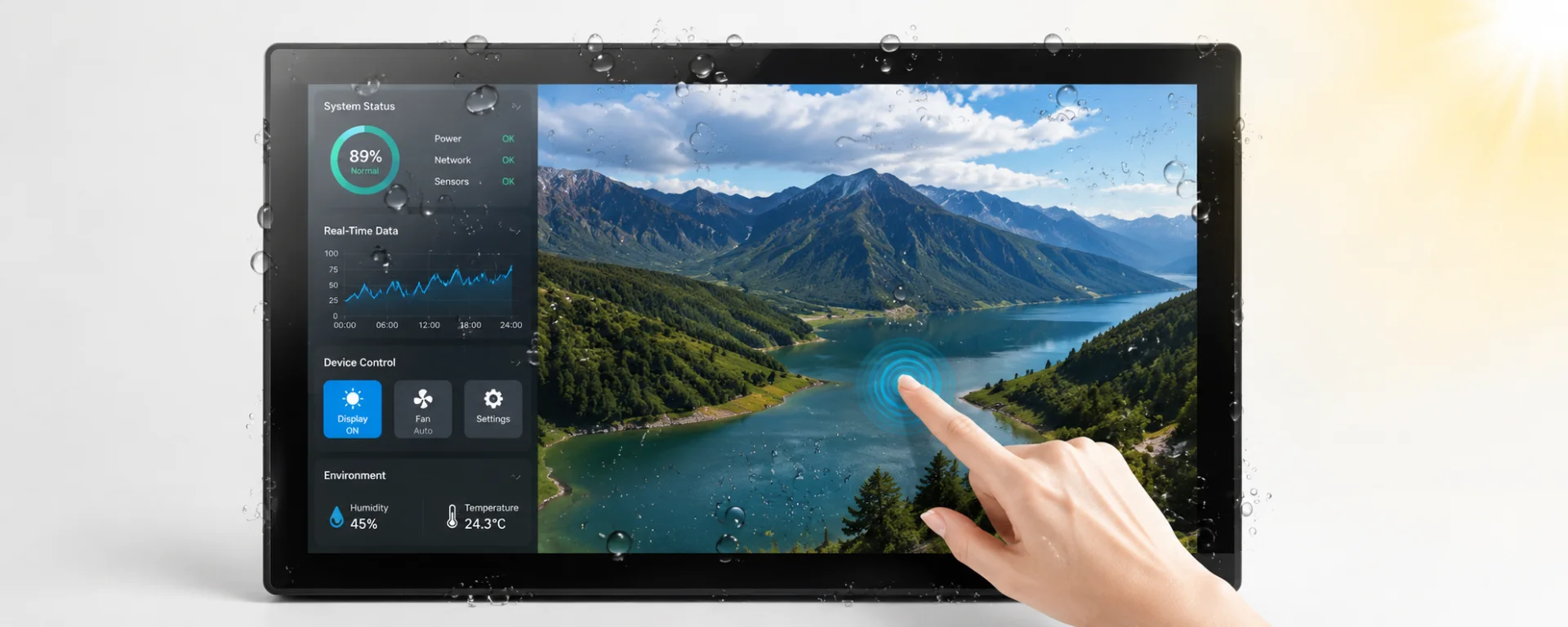
High Brightness Touch Display
A high brightness touch display should be checked as a full front-panel stack.
Review Checklist
Key Advantages of High Brightness Displays
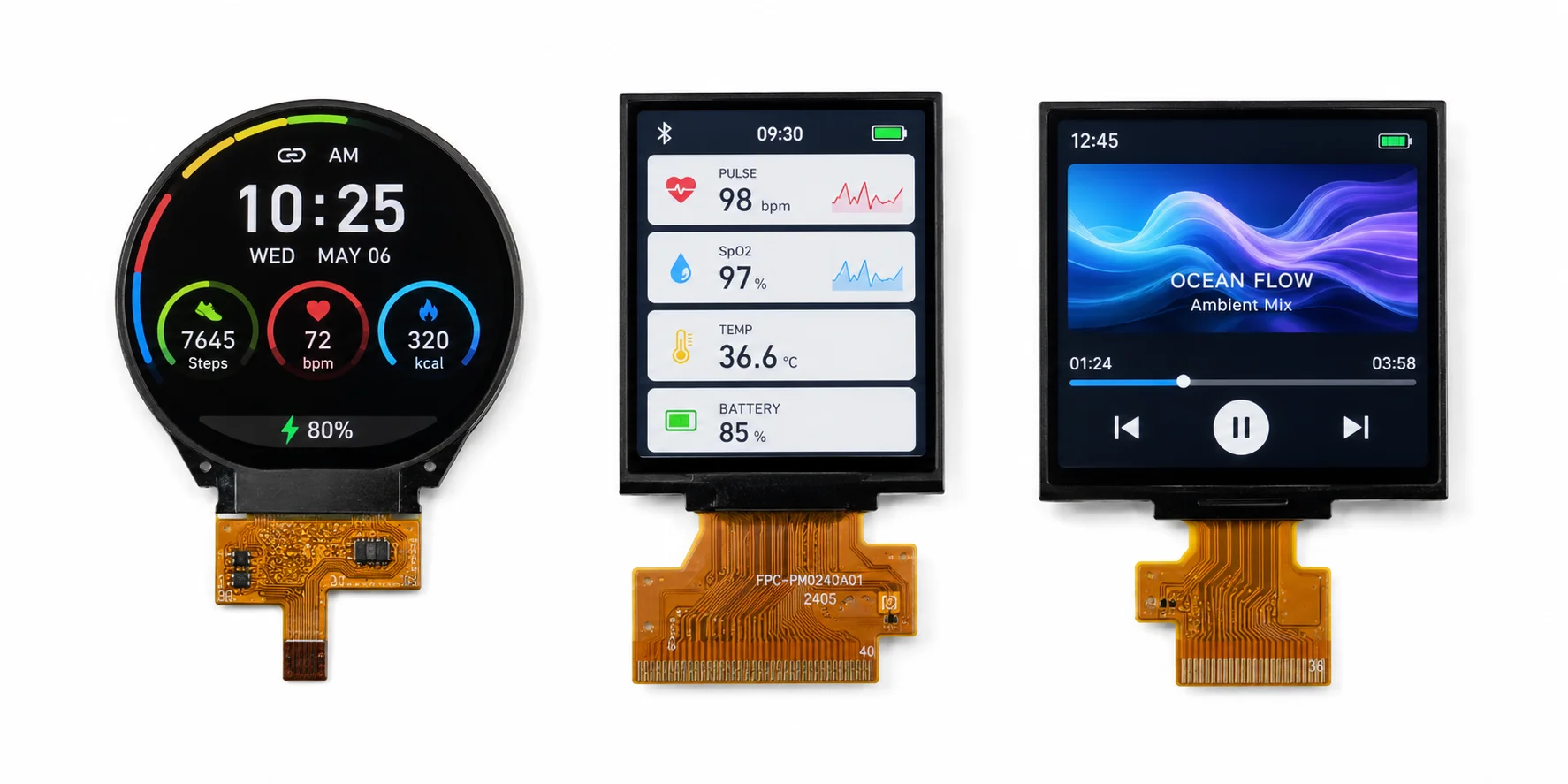
Readability Under Strong Light
High brightness displays help users read values, warnings, instructions and status screens under strong ambient light.
- Brightness value
- Contrast
- Ambient light
- Viewing angle
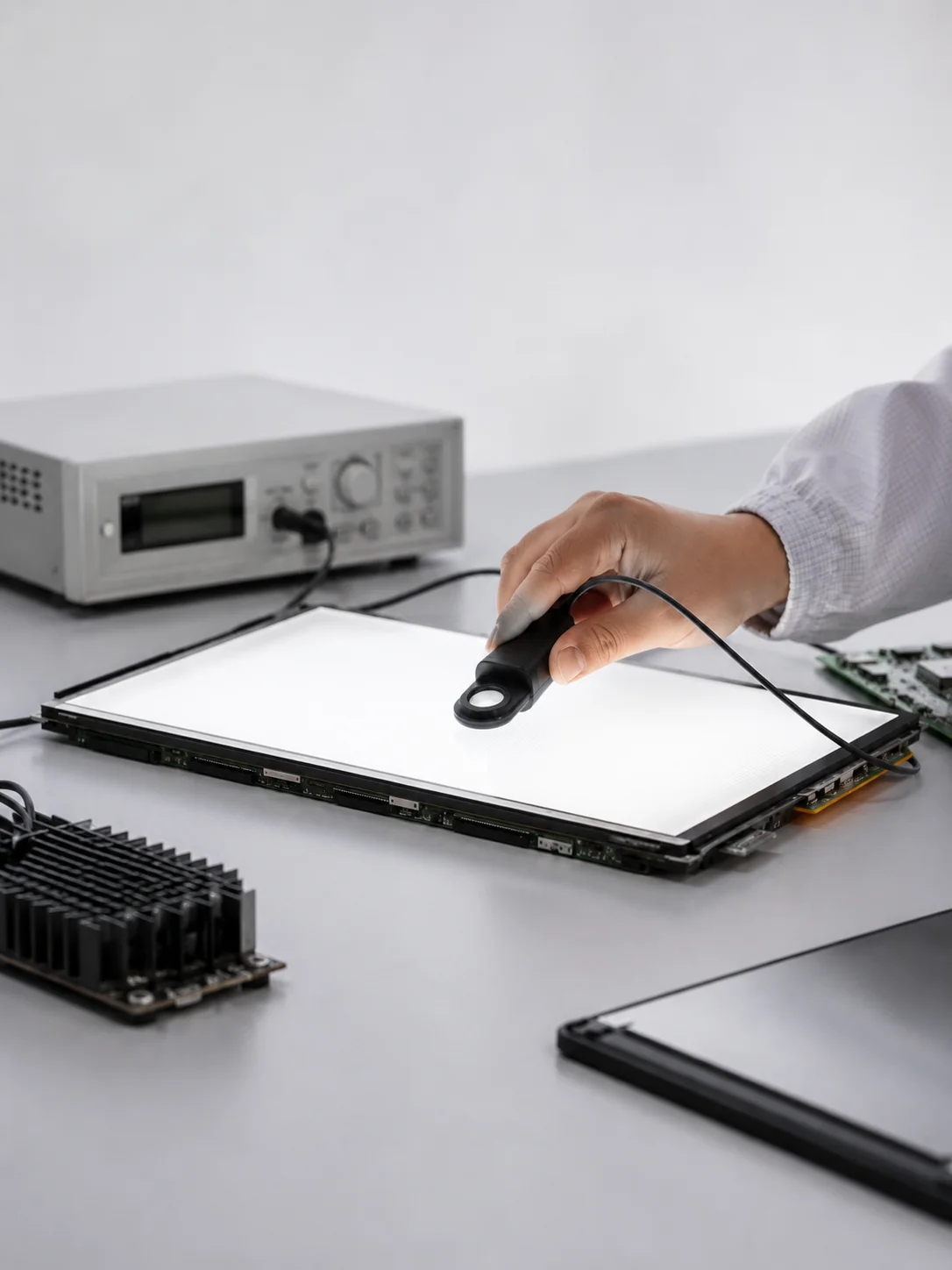
Backlight Tuning for Project Needs
Backlight tuning may include brightness, uniformity, dimming method and lifetime review.
- Backlight current
- PWM dimming
- Uniformity
- Thermal path
- Lifetime target
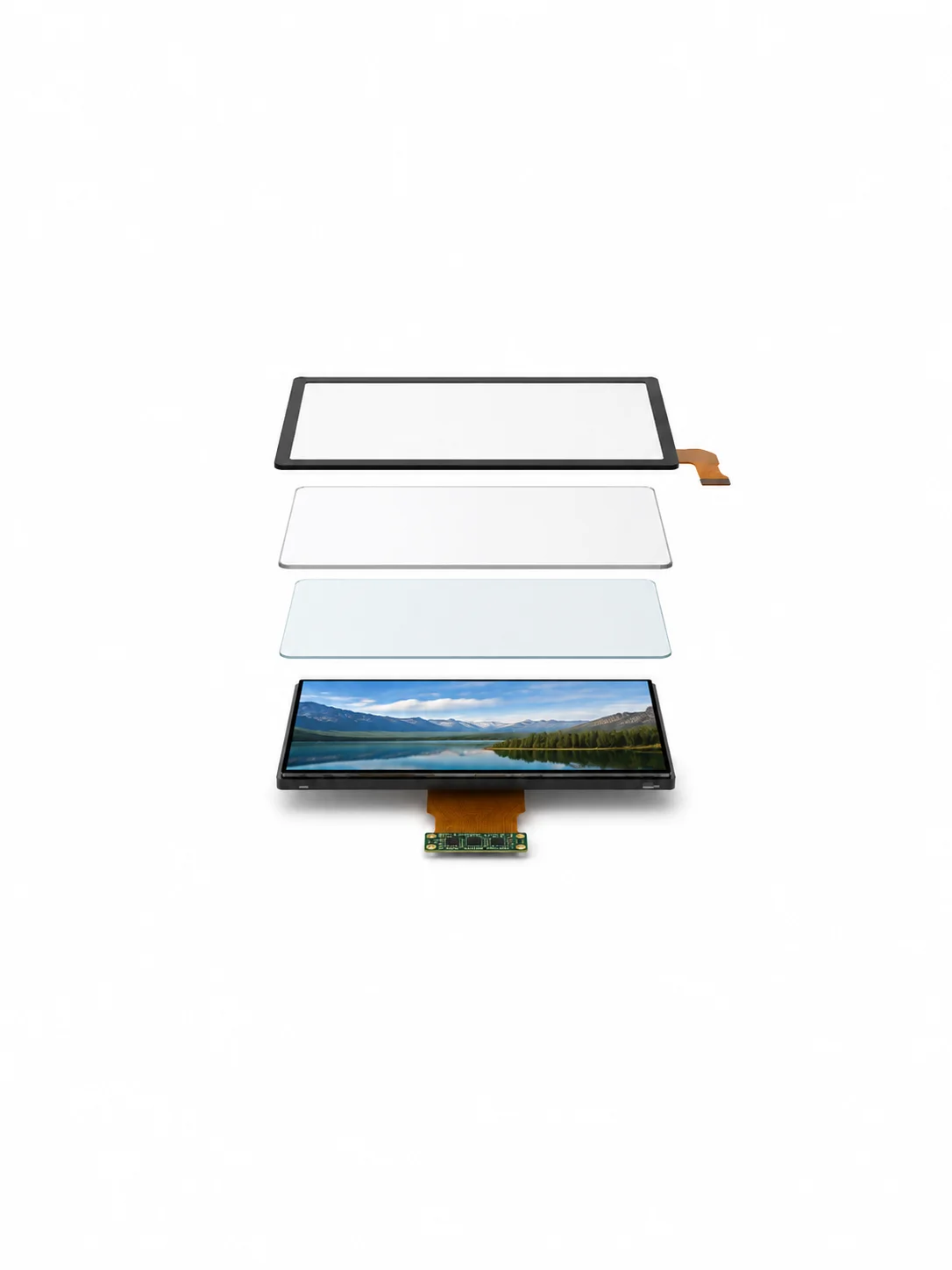
Touch, Cover Lens and Bonding Review
Touch display readability depends on the full front structure.
- RTP / PCAP
- Cover lens
- Optical bonding
- AG / AR / AF
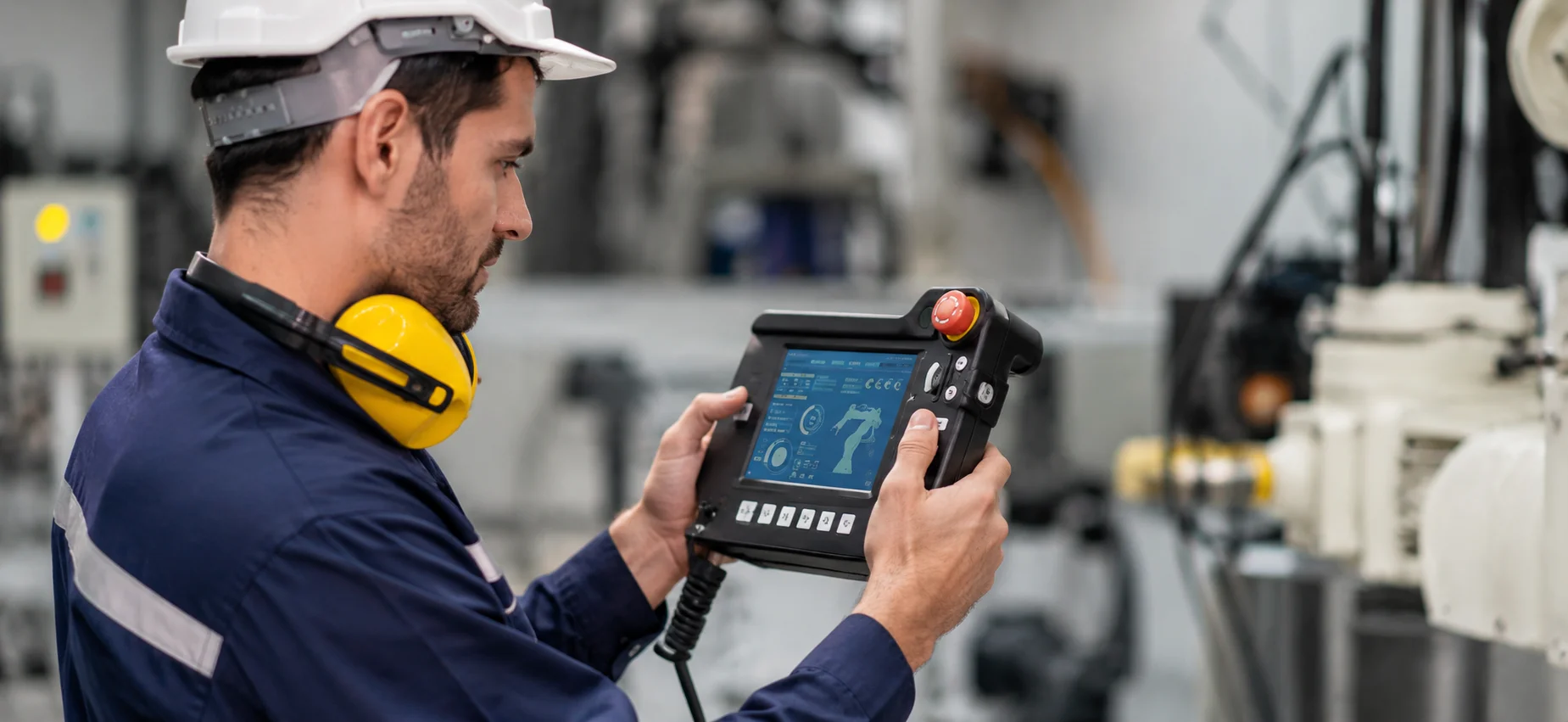
Mechanical and Thermal Integration
Higher brightness can increase power and heat.
- Power budget
- Heat path
- Enclosure
- Operating temperature
Typical Applications of High Brightness Displays

High Brightness Display for EV Charging Interfaces
Used for charging status, payment flow, energy information and user guidance.
Common Checks
- Brightness
- Cover lens
- Touch
- Operating environment
- Thermal design
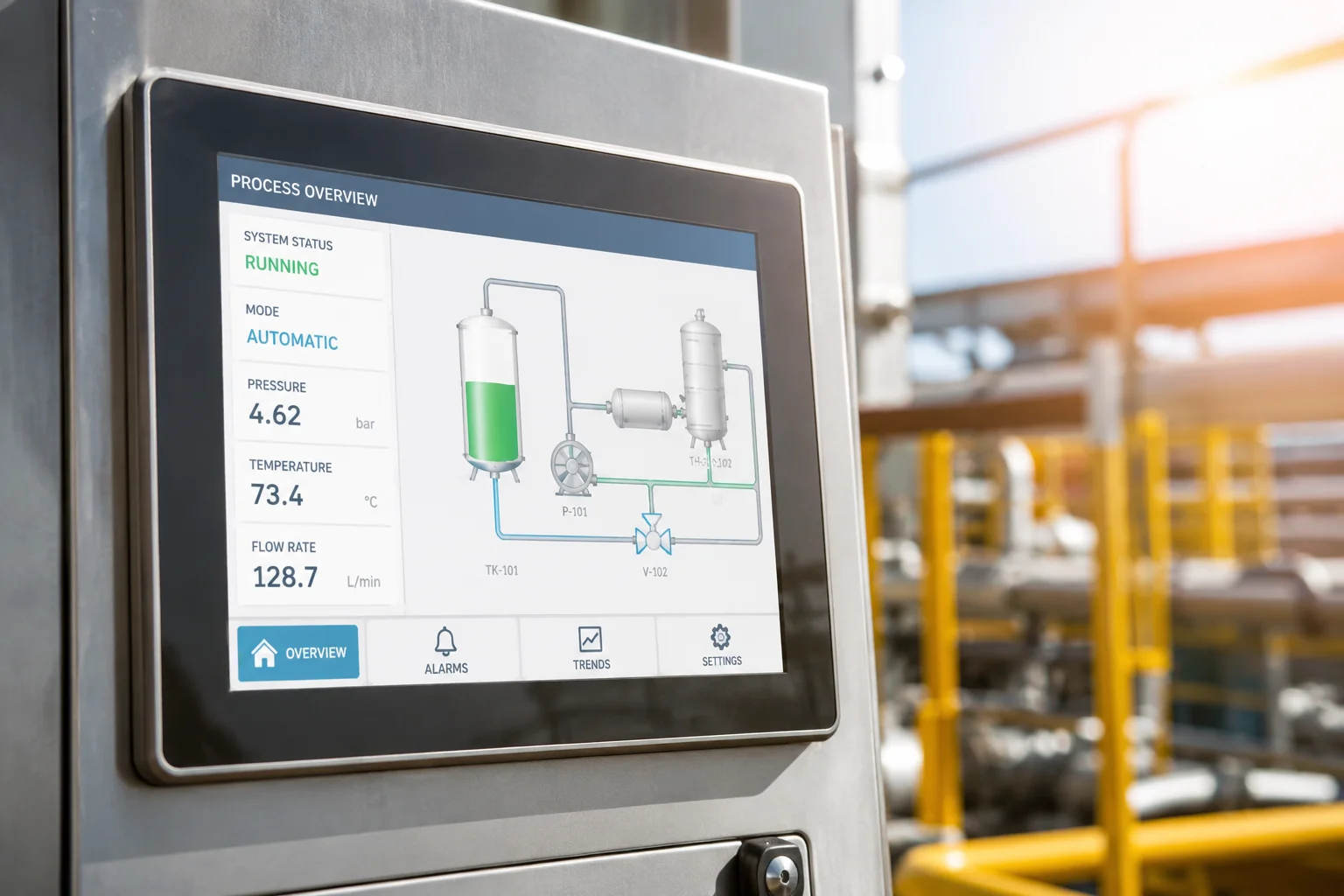
Sunlight Readable TFT Display for Outdoor Equipment
Used for outdoor or semi-outdoor control panels, field devices and service terminals.
- Brightness
- Optical bonding
- AG / AR
- Temperature
- Sealing
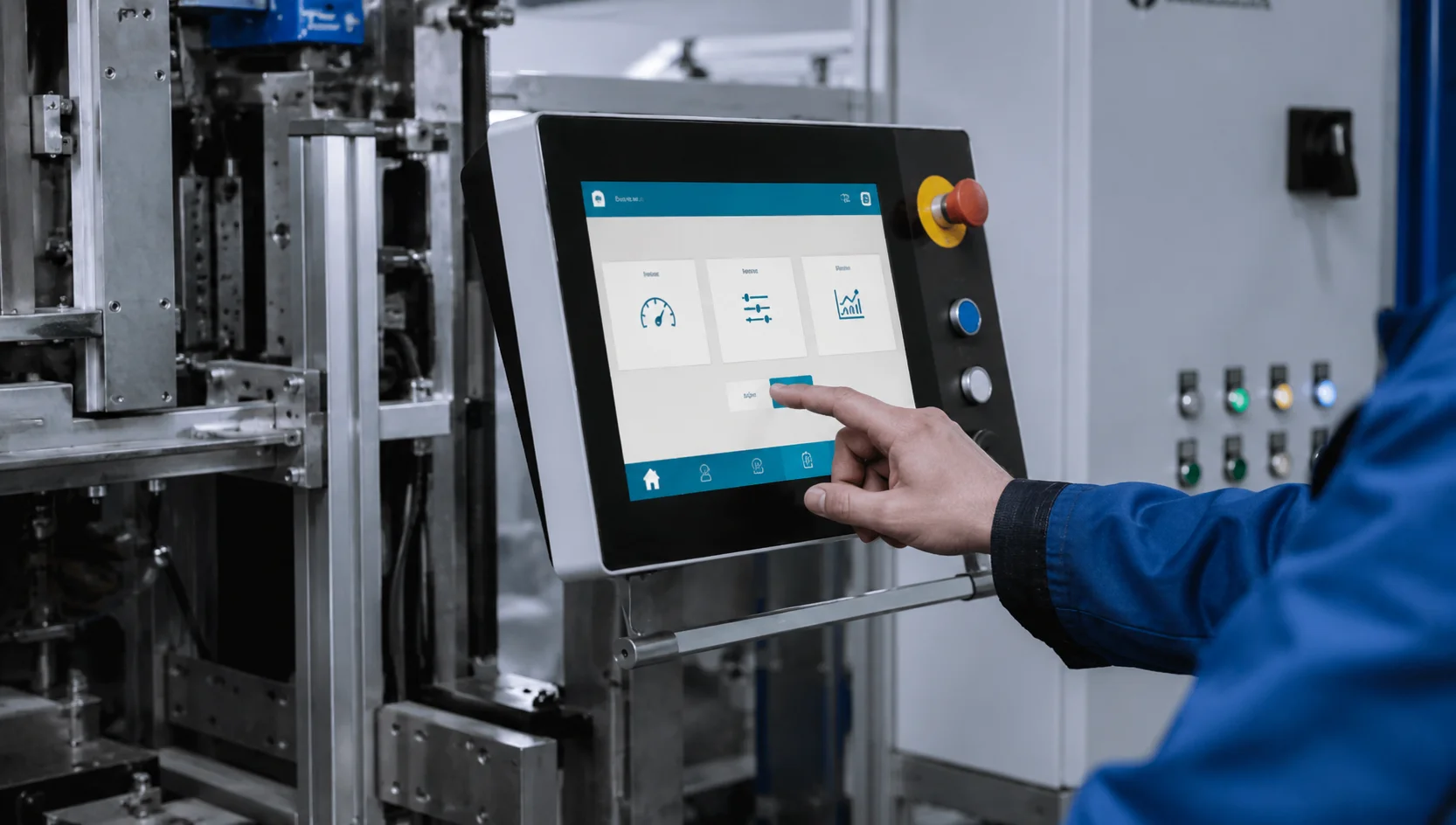
High Brightness TFT Display for Industrial HMI Panels
Used for operator panels in bright factories, machines or production lines.
- Interface
- Brightness
- Touch
- Viewing angle
- Backlight control

High Brightness LCD Display for Energy Management Terminals
Used for power monitoring, battery systems and local energy control panels.
- UI contrast
- Dimming
- Power budget
- Lifecycle plan
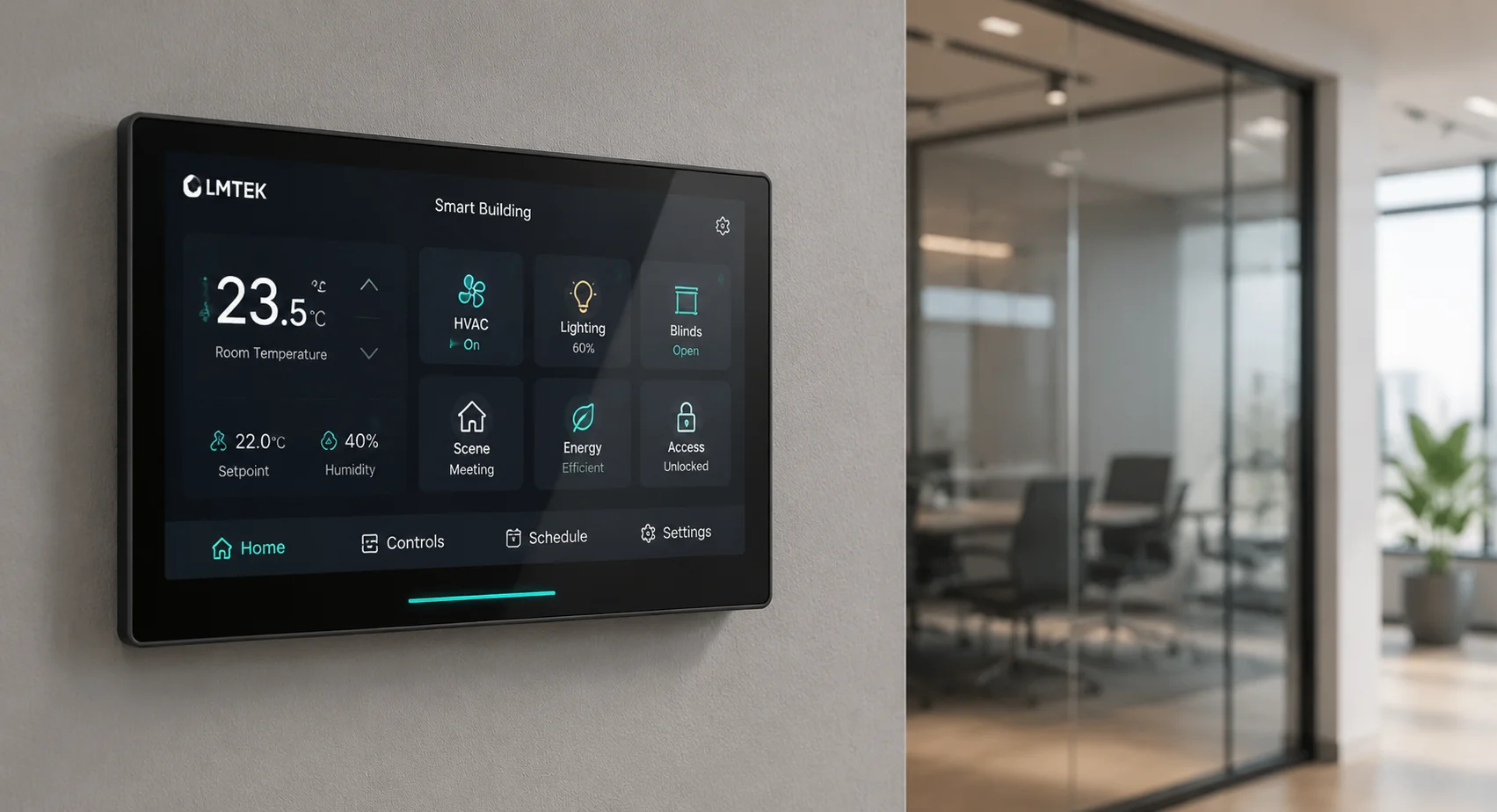
High Brightness Touch Display for Smart Building Controls
Used for wall-mounted controls, HVAC panels, lighting control and access terminals.
- Cover lens
- Touch
- Brightness
- Mounting
- UI color
How to Select a High Brightness Display
A high brightness display should not be selected by nits alone. Readability is a system result.
Brightness Value and Real Readability
Confirm the brightness target and the lighting environment.
- Brightness value
- Ambient light
- Contrast
- UI color
- Viewing angle
Optical Bonding and Reflection Control
Optical bonding can be reviewed when internal or front-layer reflection affects readability.
- Air bonding
- Optical bonding
- OCA / LOCA
- Reflection
- Repairability
Cover Lens and Surface Treatment
Confirm cover lens material, thickness, printing, AG / AR / AF and sealing structure.
- Cover material
- Thickness
- AG / AR / AF
- Printing
- Front protection
Backlight Power and Thermal Design
High brightness backlight affects current, power, heat path and lifetime target.
- Backlight current
- Voltage
- PWM dimming
- Heat path
- Lifetime target
Touch Option and Touch Performance
Touch performance should be reviewed with the cover lens and bonding stack.
- RTP / PCAP
- I²C / USB
- Touch mapping
- Cover lens
- Bonding
Interface and Host Platform
Confirm interface by resolution, processor support, EMI and software bring-up. HDMI should be reviewed as a controller-board-based option unless the selected display assembly includes the required controller board.
- MCU · SPI · RGB
- MIPI DSI · LVDS · eDP
- HDMI controller board option
Dimming and Day / Night Mode
Dimming may be needed to reduce glare, heat or power use in lower light.
- PWM dimming
- Analog dimming
- Auto dimming requirement
- UI brightness mode
Operating Environment and Validation
Confirm real use conditions before production.
- Operating temp.
- Humidity
- UV exposure
- Enclosure
- Sample validation
Need Help Selecting the Right Display?
Our engineering team is ready to review your project requirements and recommend the optimal high brightness display configuration.
Need a Custom High Brightness Display?
Project-Based Support for Backlight, Touch, Bonding and Mechanical Fit
LMTEK can review selected customization requirements for high brightness display projects.
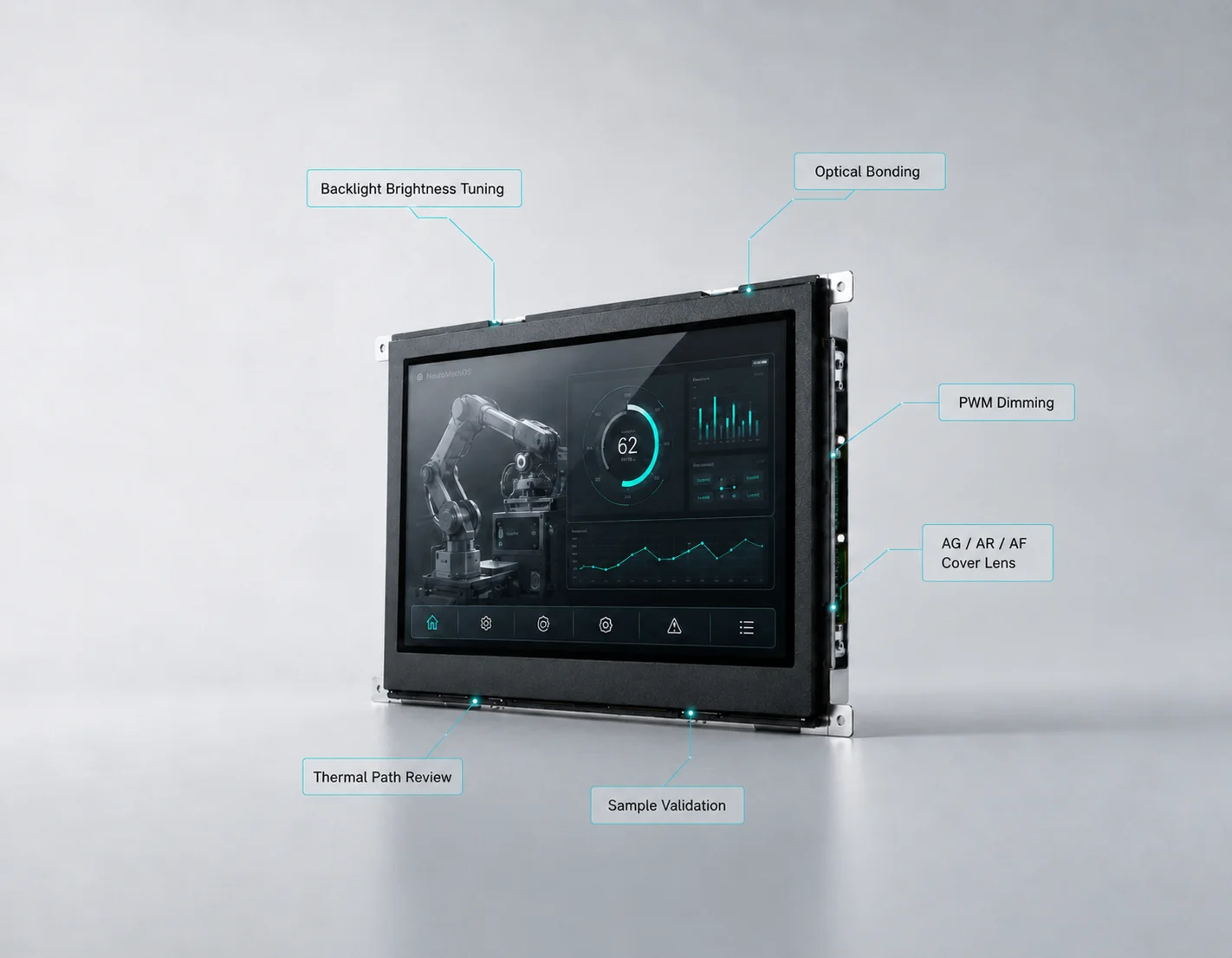
Typical items include backlight brightness tuning, uniformity review, PWM dimming, touch matching, optical bonding, cover lens, AG / AR / AF, FPC direction, interface review, front-panel structure, thermal path and sample validation.
For detailed customization options, please visit our Custom TFT Display or Touch Screens page.
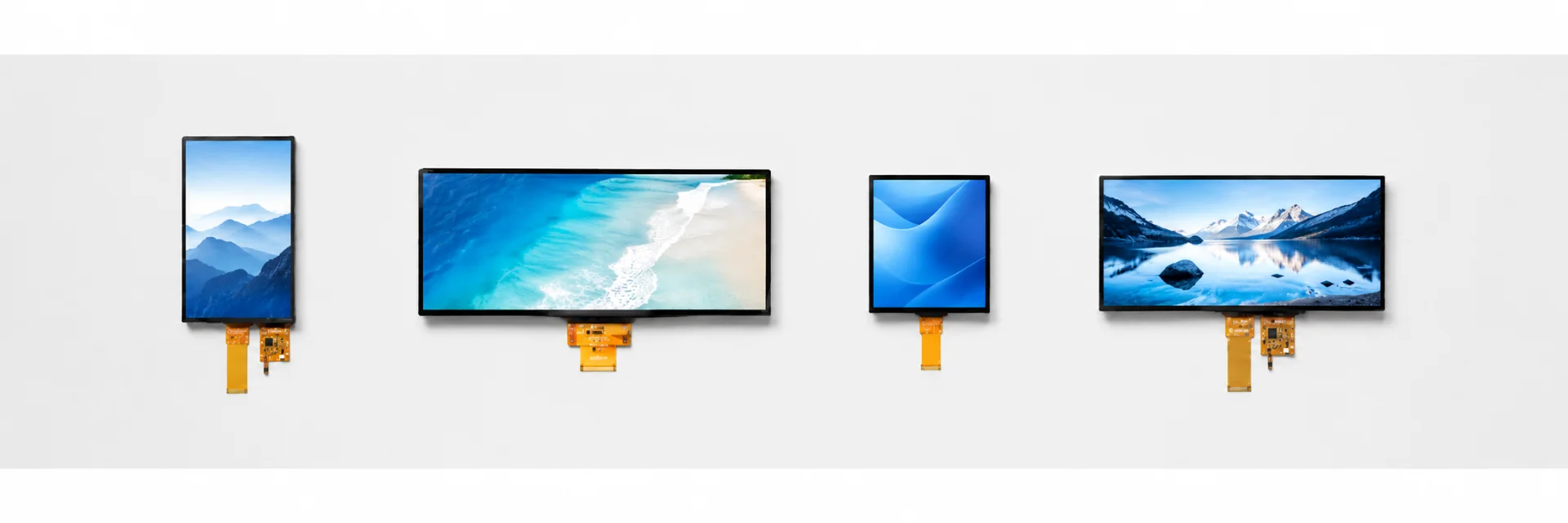
Related TFT Display Categories
TFT Displays
Review LMTEK TFT display modules by size, resolution, interface, brightness and touch option.
View TFT Displays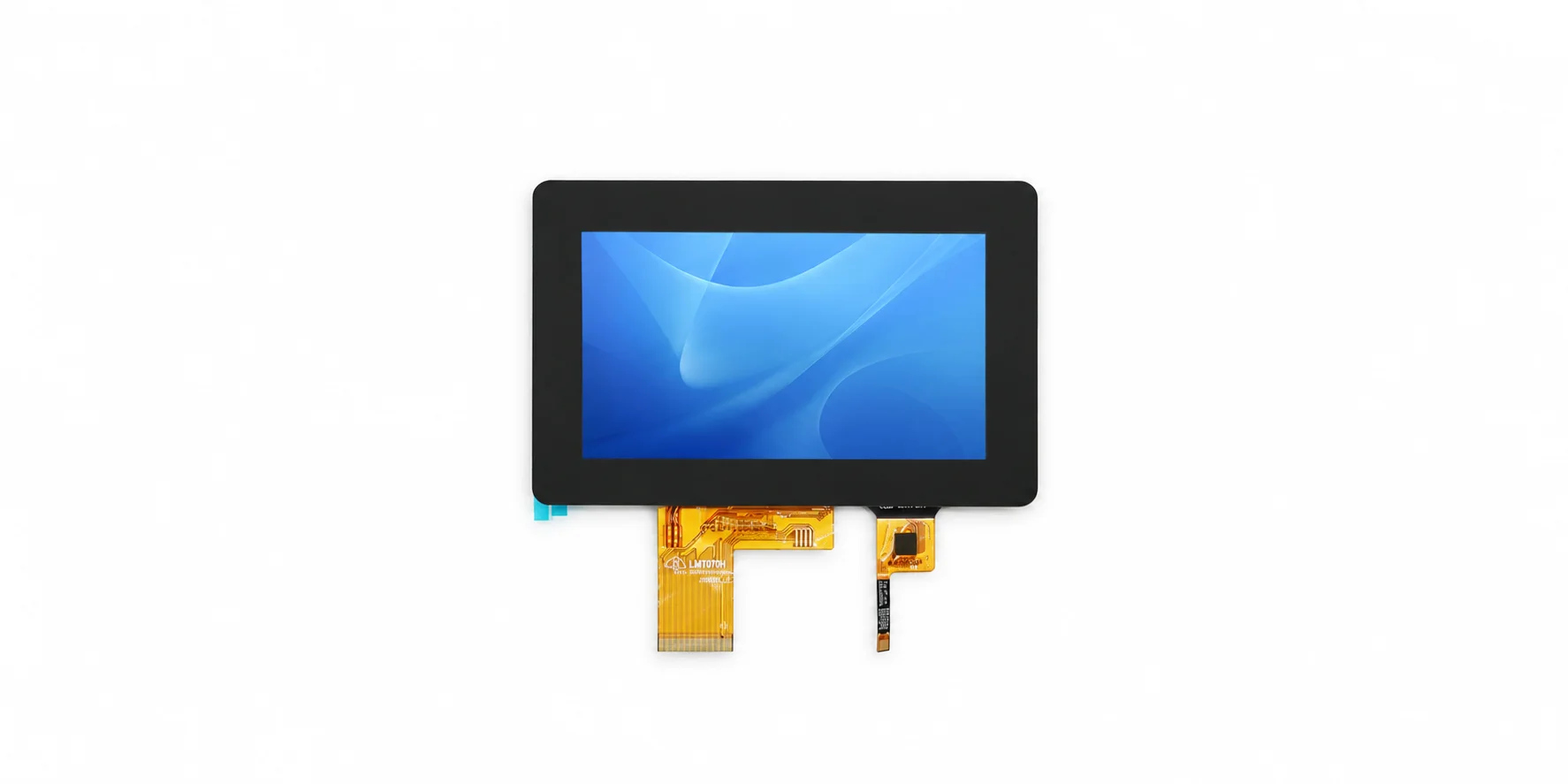
Industrial TFT Displays
Review TFT display options for industrial environments, lifecycle needs and equipment integration.
View Industrial TFT Displays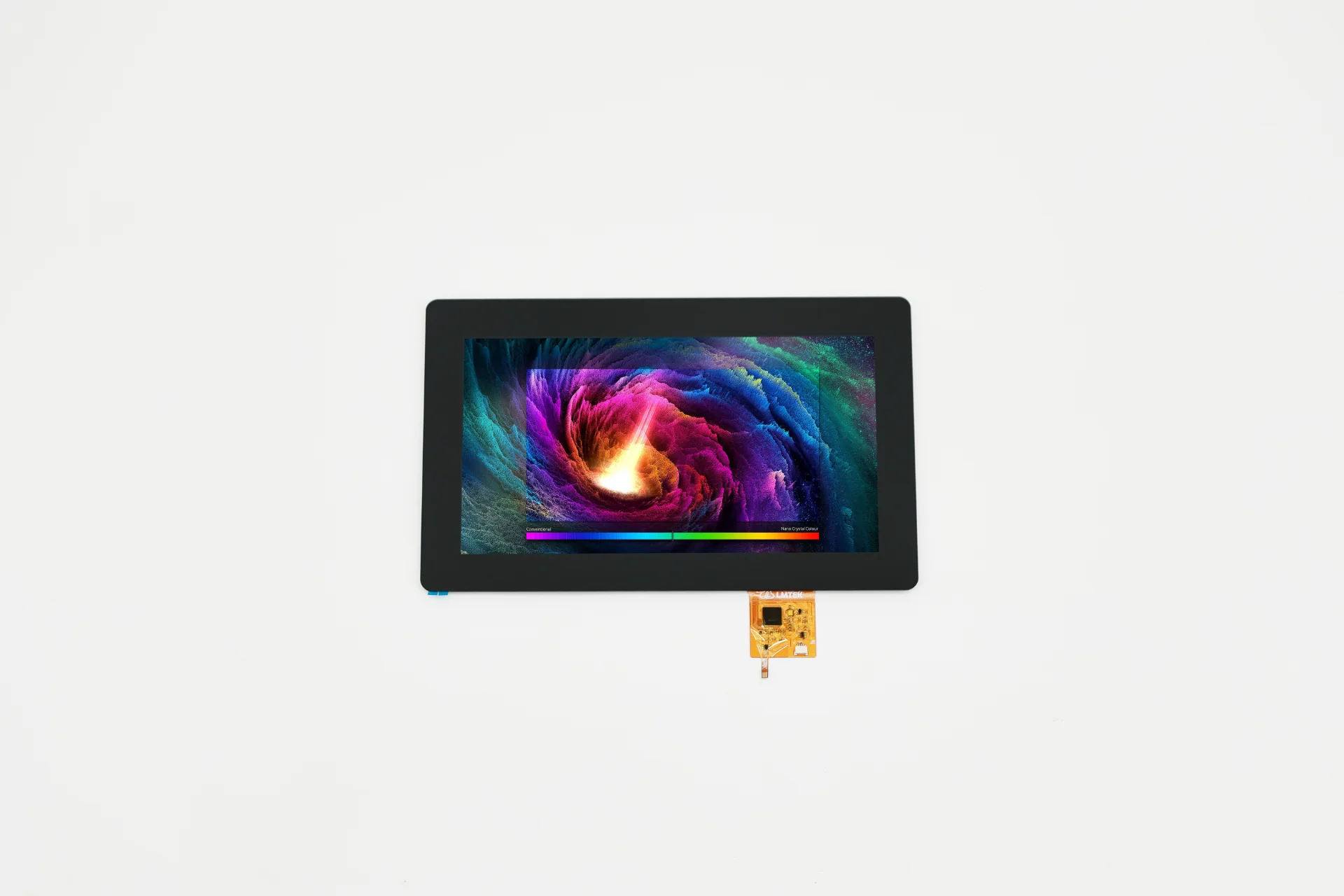
Custom TFT Displays
Review backlight, FPC, touch, bonding and mechanical customization options.
View Custom TFT Displays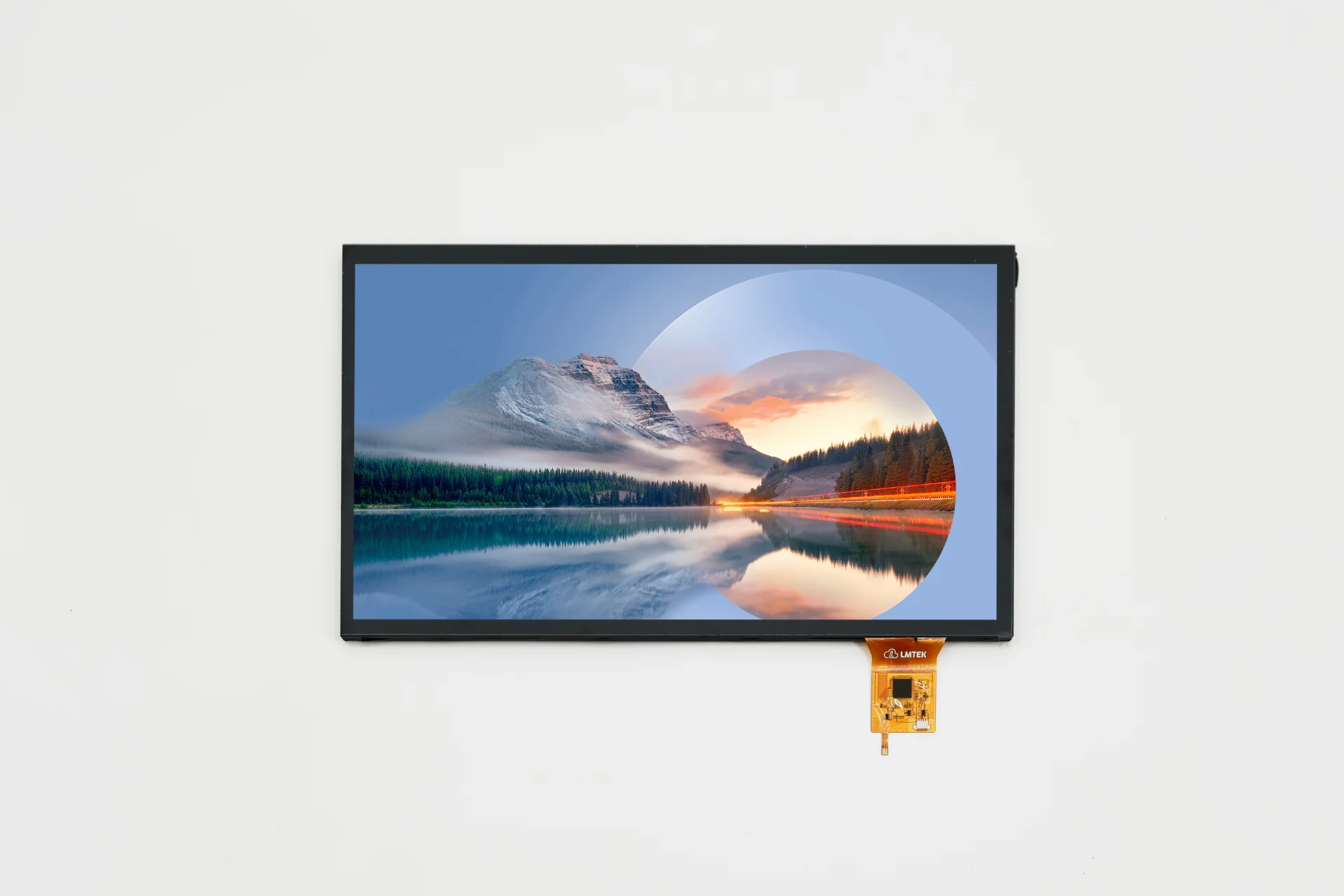
Touch Screens
Review RTP and PCAP touch options for high brightness touch display projects.
View touch screen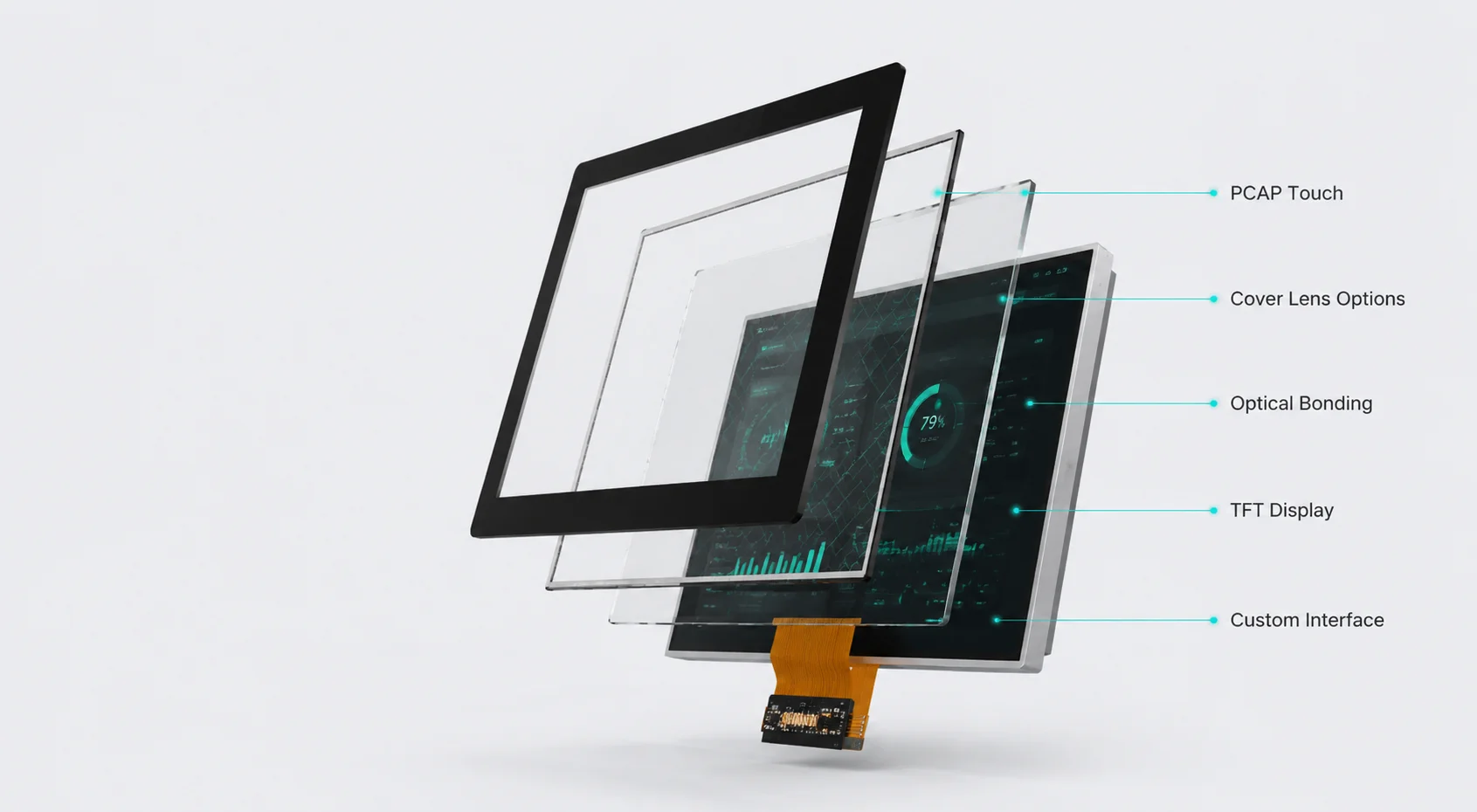
Capacitive Touch Screens
Review PCAP touch, cover lens and bonding options for front-panel display projects.
View Capacitive Touch Screens
IPS TFT Displays
Review IPS TFT displays when viewing angle matters in bright environments.
View IPS TFT Displays
Landscape TFT Displays
Review landscape displays for dashboard and wide HMI layouts.
View Landscape TFT Displays
Portrait TFT Displays
Review portrait displays for wall-mounted controls and vertical EV charger interfaces.
View Portrait TFT DisplaysHigh Brightness Display FAQ
What is a high brightness display?
A high brightness display is a TFT LCD module with increased backlight output for use under stronger ambient light.
Is high brightness the same as sunlight readable?
Not always. Sunlight readability depends on brightness, contrast, reflection, bonding, cover lens, viewing angle, UI design and ambient light.
How many nits are needed for outdoor readability?
There is no single fixed value. The required brightness depends on ambient light, reflection, contrast, cover lens, bonding method and viewing conditions.
Can high brightness displays support touch?
Yes, selected high brightness TFT displays can be matched with RTP or PCAP touch. Touch type, touch interface, bonding and cover lens should be reviewed together.
Does optical bonding improve sunlight readability?
Optical bonding can reduce internal reflection and improve contrast in selected display stacks. Final results should be verified by sample validation.
Does higher brightness affect power consumption or backlight lifetime?
Higher brightness can increase backlight current, power consumption and heat. Backlight lifetime should be reviewed by model datasheet, driving condition, dimming method and thermal design.
What should be checked before selecting a high brightness TFT display?
Check brightness, contrast, interface, touch, bonding, cover lens, dimming, power budget, thermal path, operating environment and datasheet values.
Can LMTEK customize backlight brightness or bonding method?
LMTEK can review project-based requirements such as backlight tuning, optical bonding, cover lens, touch matching, FPC direction and mechanical fit.
Is a high brightness display the same as an outdoor digital signage screen?
Not necessarily. LMTEK's high brightness display options are intended for industrial HMIs, embedded systems, EV charging terminals, energy devices and OEM display projects.
High Brightness Display Inquiry Form
Use this form to share your target specifications. LMTEK will review your brightness target, lighting environment, display size, touch requirement and enclosure constraints to recommend a suitable high brightness TFT display option or customization path.