MCU Display Modules for Embedded Control Interfaces
MCU interface TFT LCD modules for embedded controllers, compact HMIs, industrial panels and low-to-mid-resolution UI projects.
MCU displays help embedded product teams build compact graphical interfaces using a microcontroller-based display bus such as 8080 or 6800 interface.
LMTEK provides MCU interface TFT display options for embedded controllers, industrial control panels, appliance interfaces, instruments and compact HMI projects. Your MCU display project can be matched by size, resolution, bus type, pin definition, controller IC, touch requirement, brightness, FPC direction and mechanical fit.
Project Review Focus
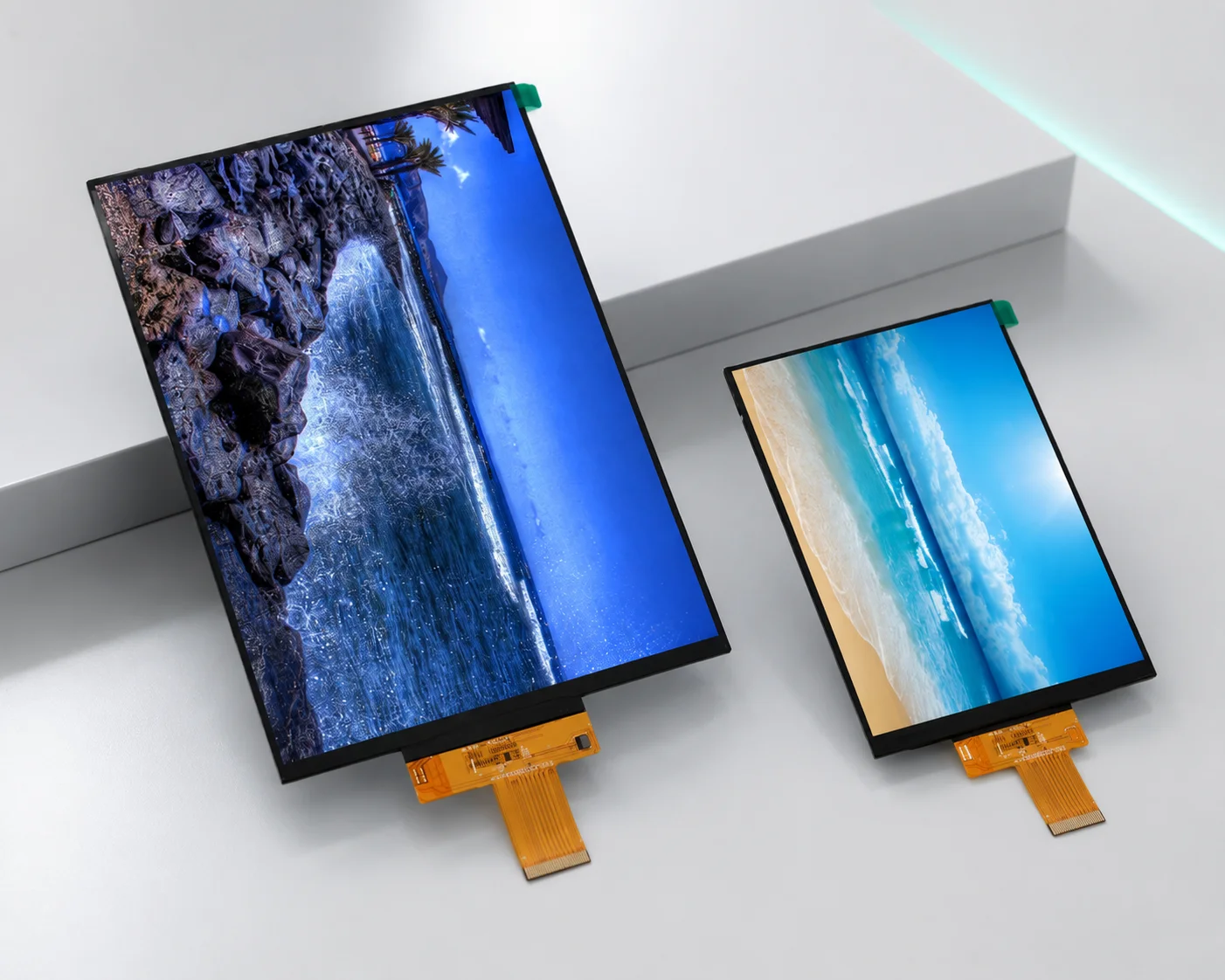
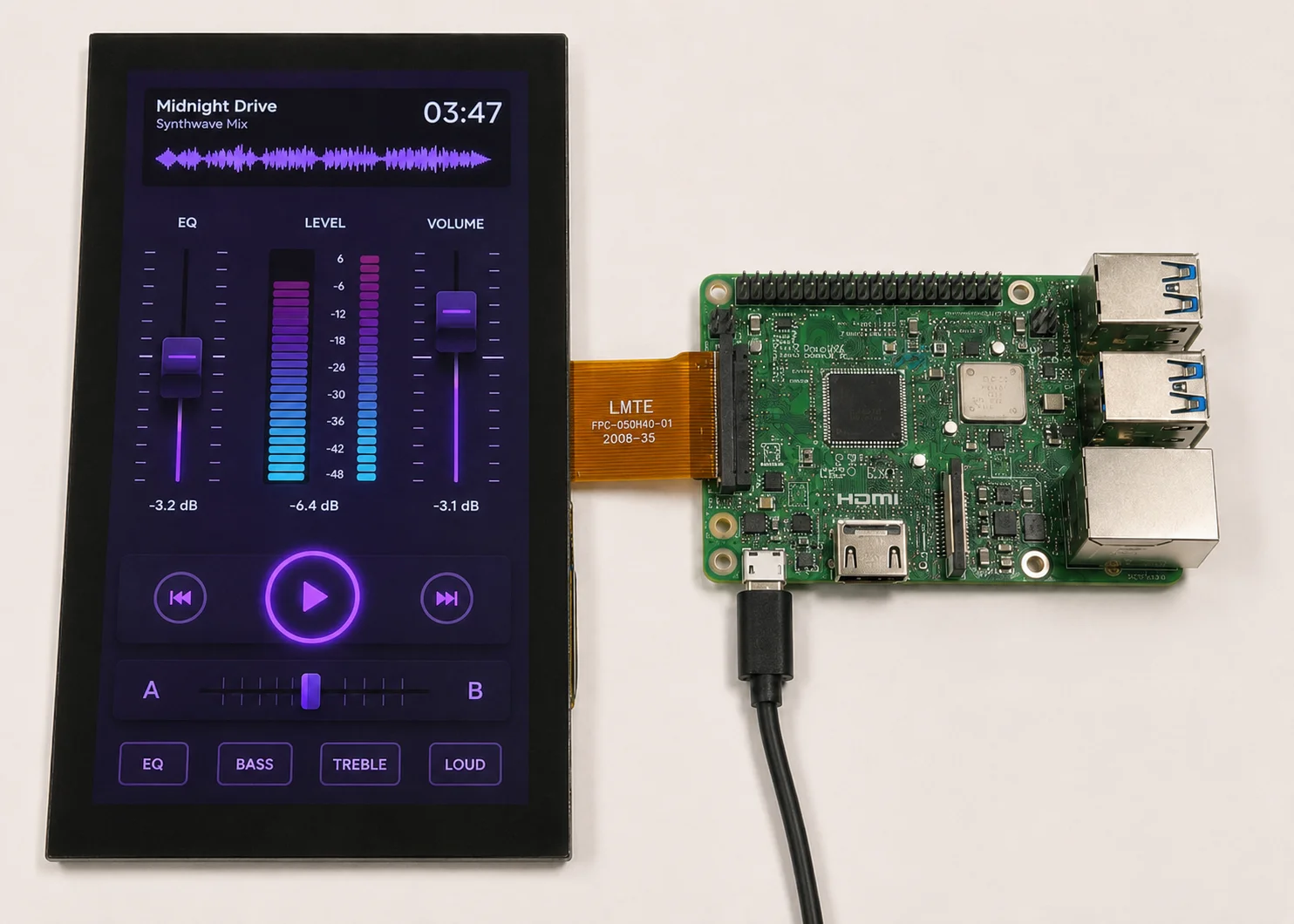
MCU Interface TFT LCD Modules for Embedded Systems
LMTEK supplies MCU display modules for product teams developing embedded systems, compact control interfaces and industrial electronics. An MCU TFT LCD display is typically selected when the host controller supports a parallel MCU display interface and the application requires a practical graphical UI without a complex high-speed display architecture.
Typical selection points include display size, resolution, 8080 or 6800 bus configuration, bus width, controller IC, initialization sequence, pin mapping, touch support, backlight, FPC direction and mounting structure.
If you are looking for an MCU display manufacturer for an OEM/ODM project, LMTEK can help match display, touch and interface options to your project requirements before sample validation.
Typical Selection Parameters
- Display Size
- 2.0" - 15.6"
- Bus Interface
- 8080 / 6800 MCU Parallel
- Bus Width
- 8-bit / 16-bit
- Controller IC
- ILI / ST / HX Series
- Touch Support
- RTP / CTP Optional
- FPC Direction
- Top / Bottom / Left / Right
What Is an MCU Display Module?
MCU Display Module
An MCU display module is a TFT LCD module that communicates with the host controller through an MCU-style parallel interface. Common configurations include 8080 MCU interface and 6800 MCU interface, with different bus width options depending on the display controller and panel platform.
Parallel MCU Interface vs SPI
A parallel MCU display uses multiple data lines to transfer commands and image data between the host MCU and the LCD controller. Compared with SPI, it uses more data lines and may support faster screen updates when the controller IC, bus width and host timing are properly matched.
MCU vs RGB / MIPI DSI / LVDS
Compared with RGB, MIPI DSI or LVDS interfaces, MCU interface TFT modules are often used when the display controller manages frame memory or command-based updates, reducing the need for continuous pixel streaming from the host.
MCU Interface at a Glance — Key Characteristics
| Parameter | MCU (8080 / 6800) | SPI | RGB |
|---|---|---|---|
| Data Lines | Parallel 8-bit / 16-bit | 1-4 serial lines | Full RGB parallel |
| Frame Memory | Managed by LCD controller | Managed by LCD controller | Host must stream |
| Host CPU Load | Low (command-based) | Low | Higher |
| Update Speed | Medium-Fast | Slower | Continuous stream |
| Typical Use | Embedded HMI, panels | Small displays, IoT | High-res, multimedia |
When to Choose an MCU Display
Suitable Use Cases
Choose an MCU display when your host controller supports an 8080 or 6800 display bus and your interface is mainly used for status information, menu screens, icons, values or simple graphics.
MCU displays are often suitable for small to medium display sizes and moderate UI refresh requirements. They can be a practical choice for compact industrial panels, appliances, instruments and portable control devices.
When to Consider Alternatives
If your application requires continuous high-frame-rate graphics, larger high-resolution panels, Android/Linux GUI screens or long-distance signal routing, other display interface options may be more suitable depending on the system platform.
Consider these interfaces instead:
Not sure which display interface fits your project?
Share your host controller platform, required display size, resolution and UI complexity -- our engineering team will help you evaluate the best interface option.
LMTEK MCU Display Product Series
LMTEK offers MCU display product series for embedded products that require compact TFT LCD modules, 8080/6800 interface options, touch matching or project-based FPC and pin definition support.
Final specifications should be verified by confirmed LMTEK model number, datasheet and project requirements. Interface, bus width, controller IC, brightness, operating temperature and touch option are model-dependent.
8080 MCU Display Options
8080 MCU display options are commonly considered when the host controller supports an 8080-style parallel display bus. LMTEK can help check bus width, timing, pin definition, FPC direction and controller IC compatibility based on your target platform.
6800 MCU Display Options
6800 MCU display options may be suitable for selected legacy or embedded controller platforms. Before selection, your team should confirm timing requirements, bus configuration, pin mapping and display controller support.
MCU Display with Touch
An MCU display with touch can be selected when your product needs direct user interaction. Touch selection should be evaluated together with cover lens design, bonding method, touch interface, front-panel structure and operating environment.
Key Advantages of MCU Displays
Direct Interface with Microcontroller Platforms
MCU displays are designed for embedded controller platforms that support MCU-style display communication. This makes them suitable for products that do not require a high-speed video interface.
Suitable for Simple and Stable Embedded UI
For values, icons, menus, status screens and parameter settings, an MCU TFT LCD can provide a practical display path where UI complexity and refresh requirements are moderate.
Pin Definition and FPC Support
MCU interface projects often require careful alignment of pin mapping, connector position and FPC direction. LMTEK can help evaluate FPC layout, pin definition and interface alignment based on the selected display platform.
Touch, Backlight and Mechanical Matching
MCU TFT modules can be matched with touch panel options, backlight brightness, cover lens design and mechanical structure. This helps your team validate the display as part of the complete front-panel interface.
Ready to evaluate an MCU display for your project?
Our engineering team can review your platform and recommend compatible display modules.
Typical Applications of MCU Displays
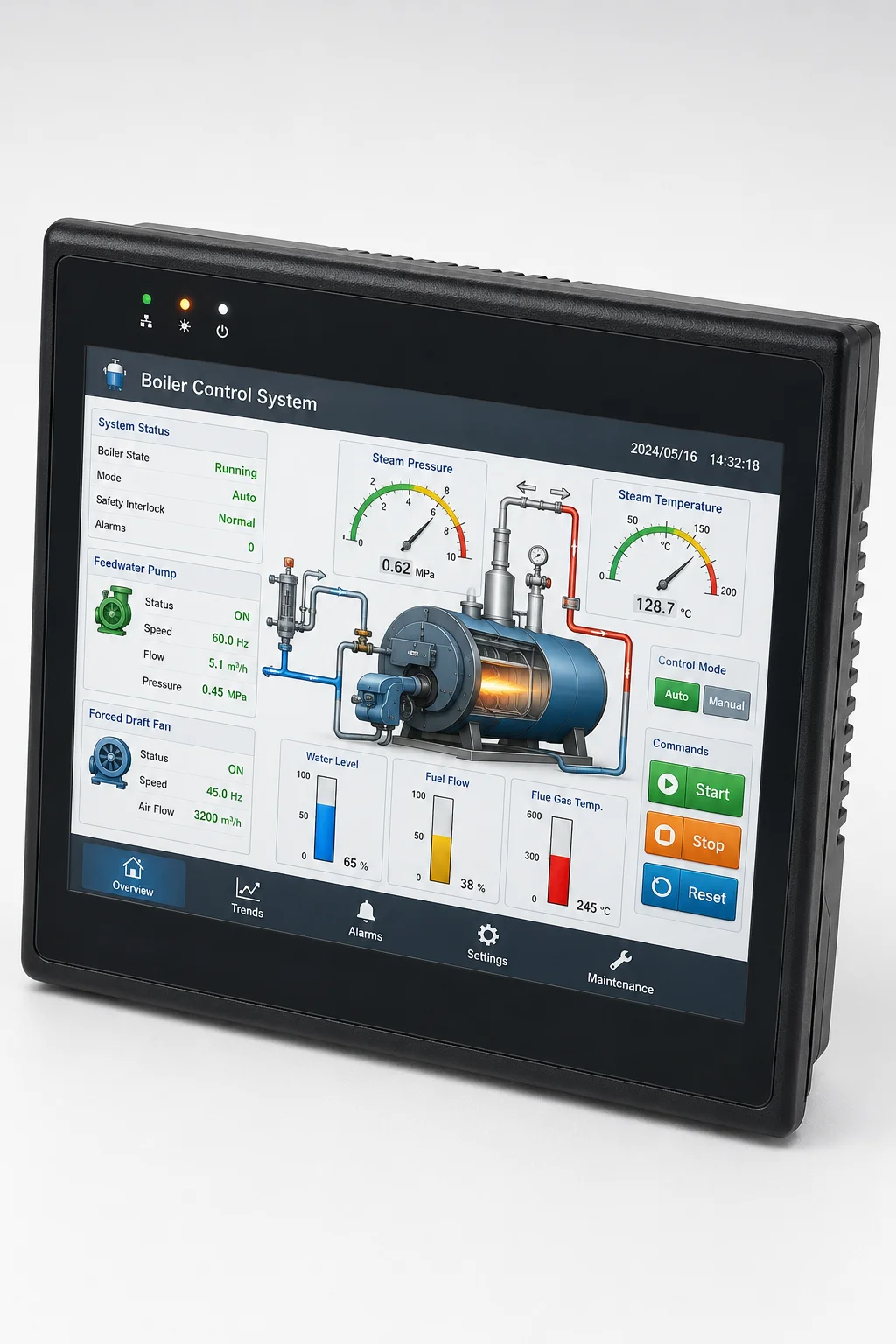
MCU Display for Industrial Control Panels
MCU displays can be used in small industrial control panels, machine status screens, parameter setting interfaces and compact operator panels where a simple graphical UI is required.
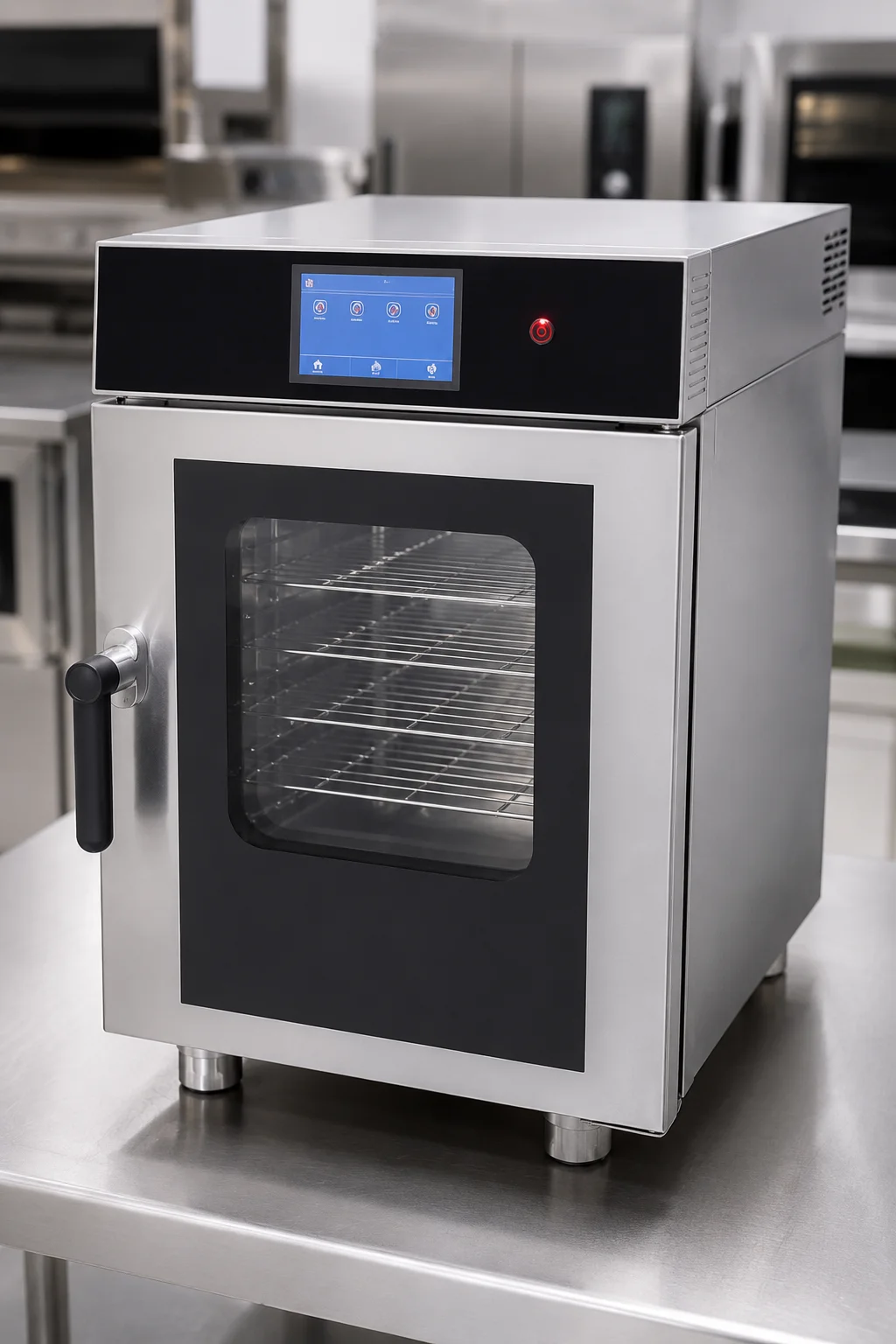
MCU TFT LCD for Appliance Interfaces
MCU TFT LCD modules are suitable for appliance control panels, HVAC interfaces, kitchen equipment, white goods and compact device interfaces that need icons, values, mode selection or status feedback.
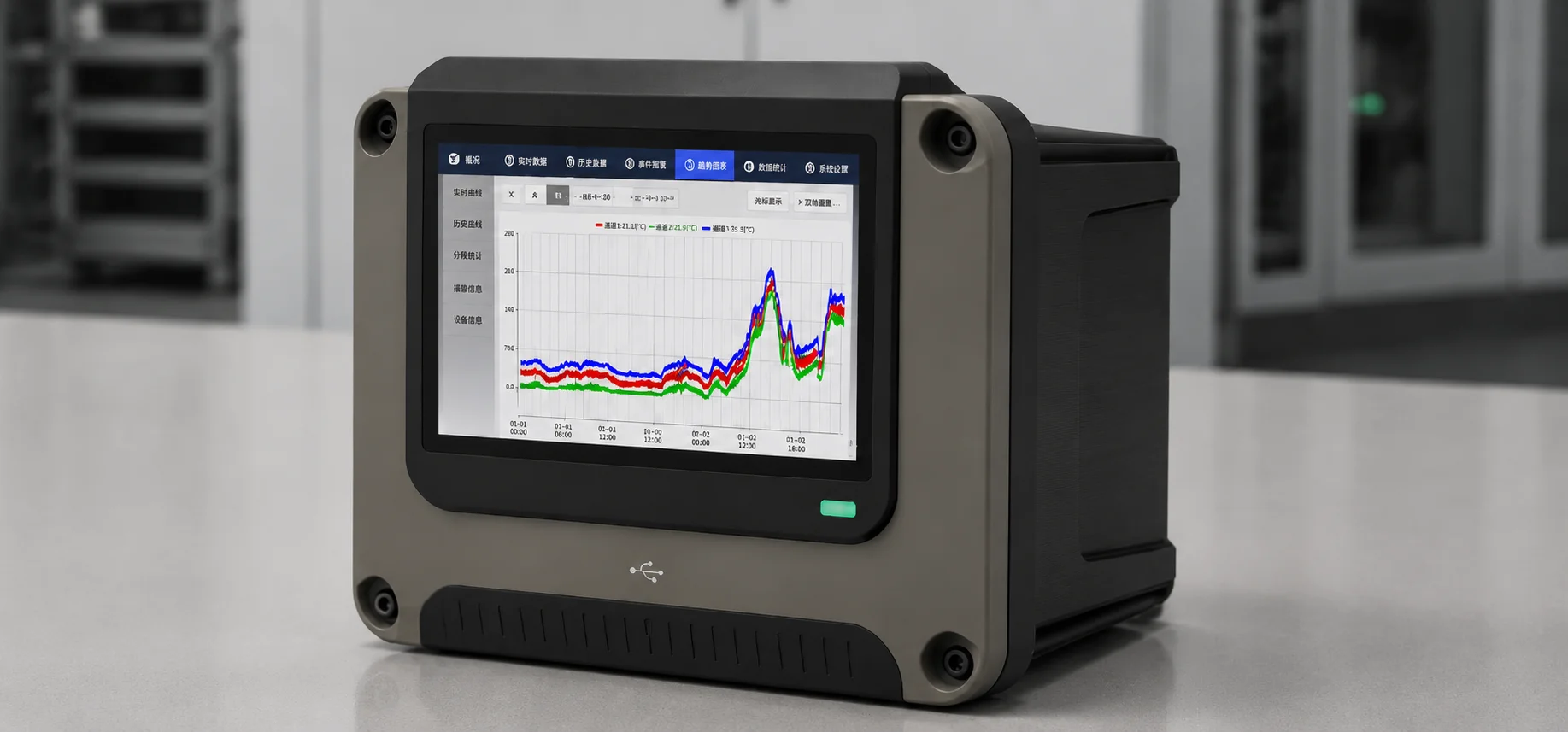
MCU Interface TFT Display for Instruments and Meters
For measurement tools, meters and compact instruments, an MCU interface TFT display can show readings, units, alarms, menus and simple graphical indicators in a small display area.
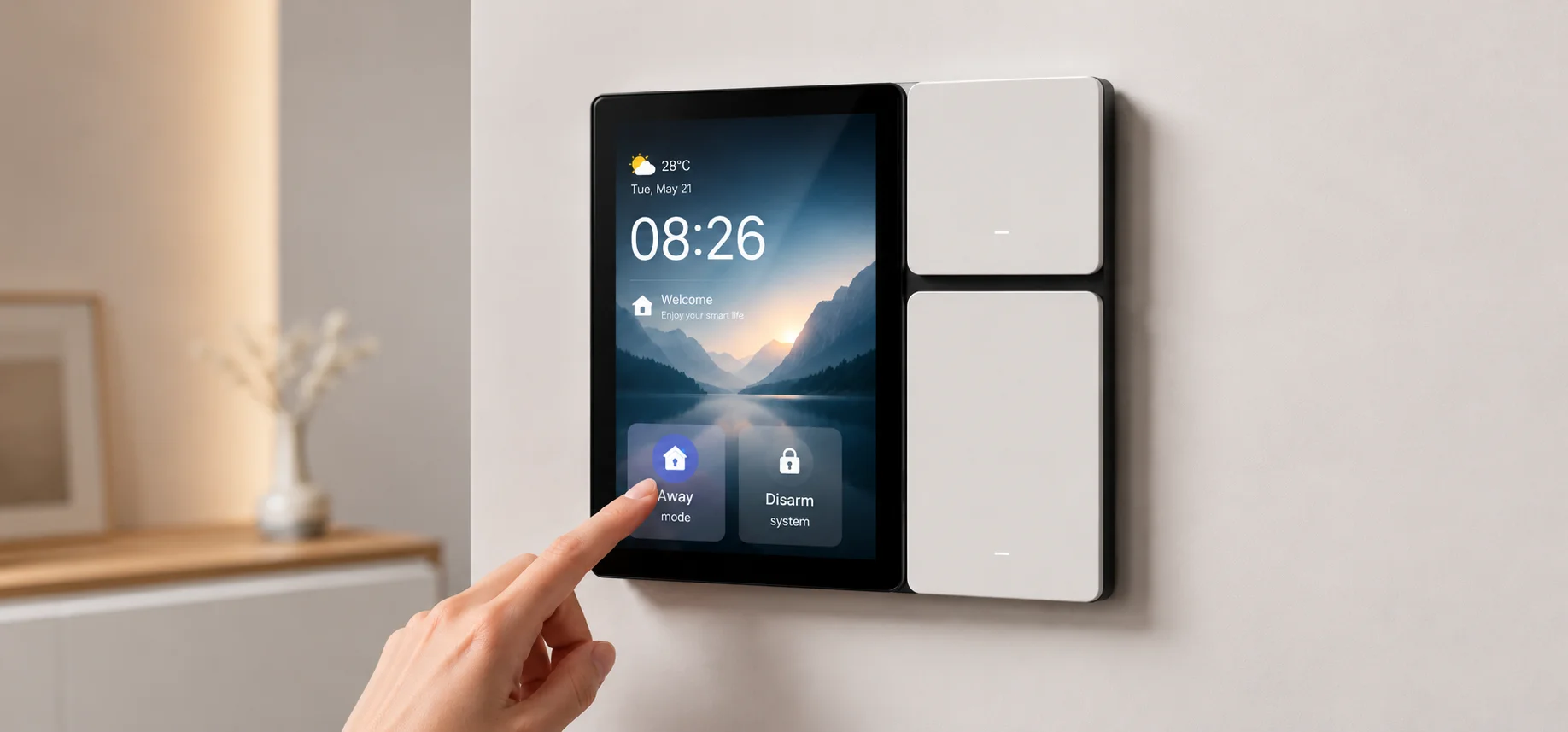
MCU Display Module for Smart Building Controls
MCU display modules can support wall-mounted control panels, room controllers, access terminals and smart building sub-interfaces where compact UI and stable operation are important.
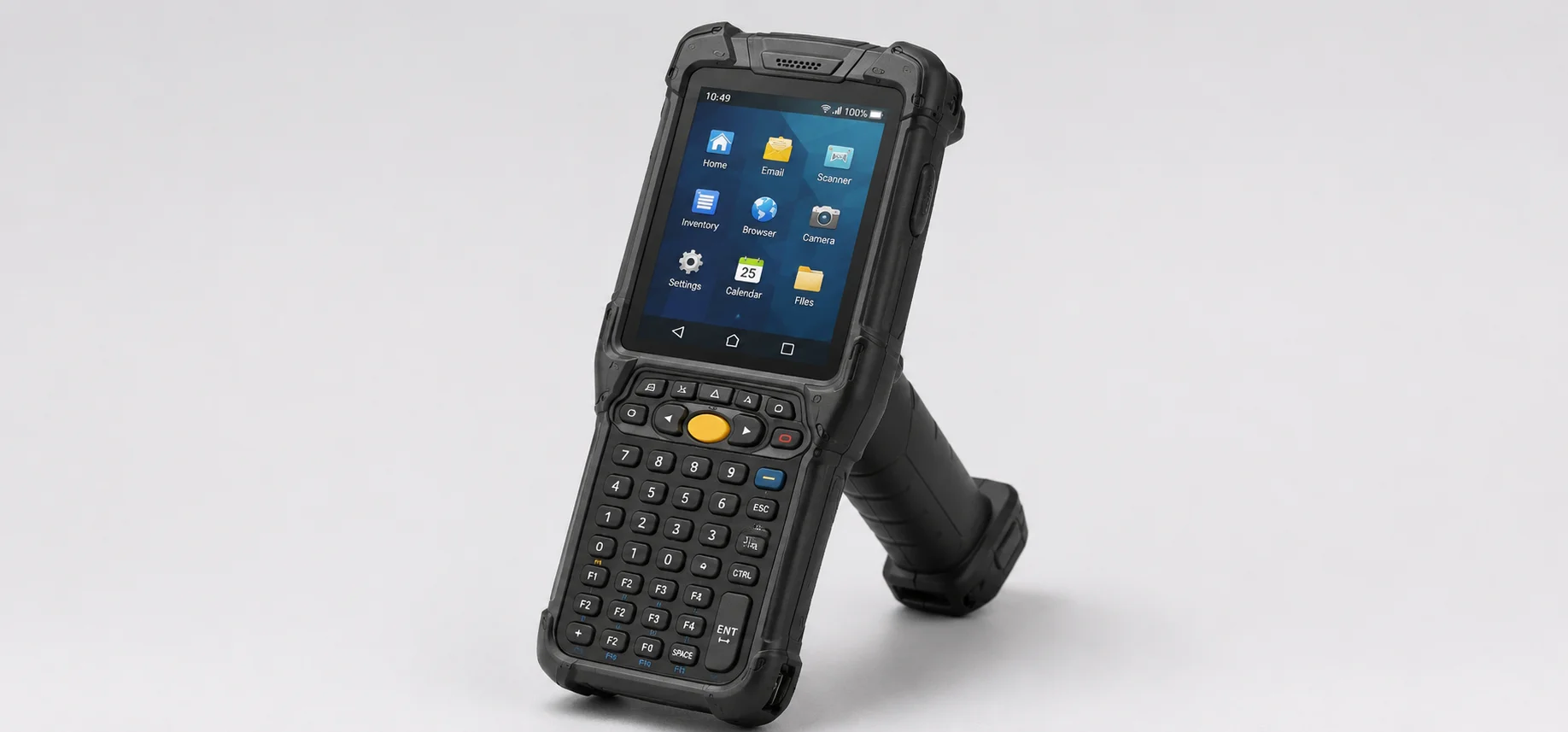
Small TFT Display with MCU Interface for Portable Devices
Small TFT displays with MCU interface are useful for portable embedded products, handheld devices and battery-powered equipment where space, interface complexity and power budget need to be considered together.
How to Select an MCU Display Module
An MCU display module should not be selected by size alone. Your team should confirm the TFT LCD MCU interface, controller IC, bus width, pinout, FPC and UI requirements together.
Display Size and Resolution
Confirm the target display size, resolution and UI content. MCU interface TFT displays are commonly used for compact or low-to-mid-resolution interfaces, but final suitability depends on bus width, controller IC and refresh expectations.
8080 / 6800 Bus and Bus Width
Confirm whether your host platform supports 8080 or 6800 interface, and whether the bus configuration is 8-bit, 16-bit or another model-dependent option.
Controller IC and Initialization Code
Check the LCD controller IC, initialization sequence, timing parameters and available reference code. These items are important for smooth display bring-up.
Pin Definition and FPC Direction
Review pin mapping, connector type, FPC exit direction and assembly route before sample selection. This can reduce redesign risk during mechanical and PCB integration.
Touch Interface and Cover Lens
If touch is required, confirm whether the project needs RTP or PCAP, and review I²C or USB touch interface options together with cover lens, printing area and bonding method.
Backlight, Brightness and Power Budget
Check brightness, backlight voltage/current, PWM dimming requirement and power budget. Brightness should be confirmed by model and operating environment.
Lifecycle and Sample Validation
Share your expected annual volume, sample timeline and production plan. LMTEK can help match available MCU LCD module options to your platform, validation plan and production timeline.
Quick Reference: MCU Interface Comparison
| Interface Type | Bus Width | Typical Use | Notes |
|---|---|---|---|
| 8080 Parallel | 8-bit / 16-bit | MCU, ARM Cortex-M | Most common MCU interface |
| 6800 Parallel | 8-bit / 16-bit | Legacy MCU platforms | Motorola-style bus timing |
| SPI | Serial (3/4-wire) | Small displays, IoT | Low pin count; lower throughput |
| QSPI | Quad SPI | Medium displays, faster refresh | Higher throughput than standard SPI |
Download Selection Checklist
Get our printable MCU display selection checklist to align your engineering and sourcing teams.
Download PDFDiscuss Your Project Requirements
Share your platform, size requirements and UI needs. Our engineers will recommend the right MCU display module for your project.
Contact EngineeringNeed a Custom MCU Display?
Project-Based Support for Pin Definition, FPC, Touch and Backlight
If your project requires more than a standard MCU display module, LMTEK can evaluate selected customization needs based on project feasibility and production requirements.
Typical requirements may include FPC direction, pin definition, interface adjustment, touch panel matching, cover lens design, brightness tuning, bonding method and mechanical fit.
For detailed customization options, please visit our Custom TFT Display page.
Explore Custom TFT Display OptionsRelated TFT Display Interface Categories
TFT Displays
Explore LMTEK TFT display modules with size, resolution, brightness, touch and interface options for industrial and embedded applications.
View TFT DisplaysTouch Screens
Review resistive and capacitive touch screen options with cover lens, surface treatment, bonding and interface support.
View Touch ScreensRGB TFT Displays
Explore RGB TFT display modules for embedded systems that require parallel pixel data, timing control and graphical UI support.
View RGB TFT DisplaysSPI TFT Displays
Review SPI TFT display options for compact devices, low-pin-count designs and simple graphical interfaces.
View SPI TFT DisplaysMIPI Displays
Explore MIPI DSI display options for compact, high-resolution embedded systems and SoC-based platforms.
View MIPI DisplaysLVDS Displays
Review LVDS display options for industrial HMIs, larger TFT panels and applications that need stronger signal stability.
View LVDS DisplaysHDMI TFT Displays
Explore HDMI TFT display options for controller-board-based integration, SBC projects and fast sample validation.
View HDMI TFT DisplayseDP Displays
Review eDP display options for high-resolution embedded computing platforms and industrial display systems.
View eDP DisplaysCustom TFT Displays
Need changes to FPC, pin definition, touch, backlight or mechanical fit? Review LMTEK's project-based custom TFT display options.
View Custom TFT DisplaysMCU Display FAQ
What is an MCU display?
An MCU display is a TFT LCD module that communicates with the host controller through an MCU-style interface, commonly 8080 or 6800 parallel bus. It is often used for compact embedded interfaces, industrial panels, appliances and instruments.
What is the difference between MCU display and RGB TFT display?
An MCU display uses a controller-based MCU bus for command and data writing. An RGB TFT display receives continuous pixel data and timing signals from the host. RGB is often considered for more graphical interfaces, while MCU can be practical for simpler embedded UIs.
What is the difference between MCU display and SPI TFT display?
SPI TFT displays use fewer pins and are often suitable for small displays and simple UI. MCU displays use a wider parallel bus, which may support faster updates depending on the controller IC, bus width and resolution.
What are 8080 and 6800 MCU interfaces?
8080 and 6800 are common MCU-style parallel display interfaces. They use different control signal methods, so the host controller, display controller IC, pin definition and timing requirements should be checked before selection.
Which sizes and resolutions are suitable for MCU displays?
MCU displays are commonly used for compact or low-to-mid-resolution UI projects, but suitable size and resolution depend on bus width, controller IC, refresh requirement and host platform capability. Please confirm by model datasheet and project requirements.
Can an MCU display support capacitive touch?
Yes, selected MCU display modules can be matched with capacitive touch depending on model availability and project requirements. Touch interface, cover lens, bonding and operating environment should be reviewed together.
Can LMTEK customize the pin definition or FPC for MCU displays?
LMTEK can review project-based requirements such as FPC direction, pin definition, touch matching, cover lens, backlight tuning and mechanical fit. The available scope depends on the selected display platform and production requirements.
Share Your MCU Display Requirements
Send us your target specifications and application details. LMTEK will review your display size, resolution, MCU interface type, bus width, controller IC, touch requirement and mechanical constraints to help recommend a suitable MCU display module or customization path.